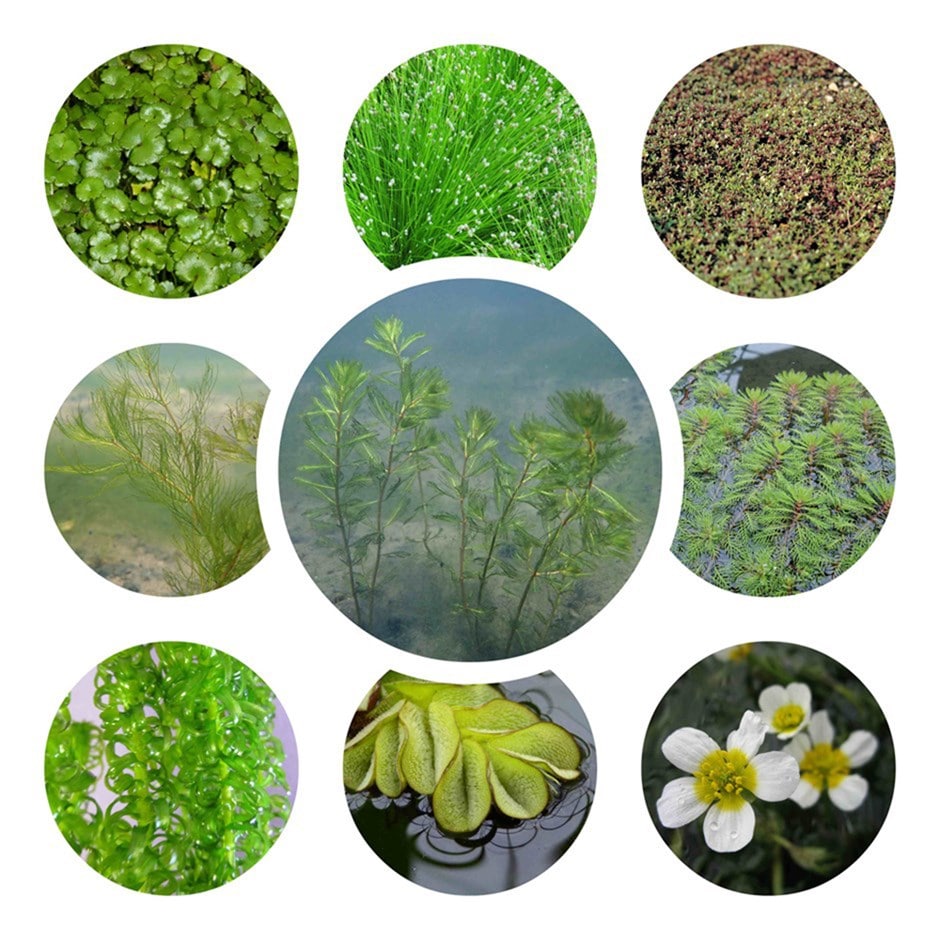
Assorted native oxygenating bunches
seasonal selected by our pond plant experts
- 5 × bunches
- £22.99 £4.60 each
- available to order from summer
- 10 + 5 FREE
- £45.98 £3.07 each
- available to order from summer
Delivery options
- Standard £5.99
- Position: full sun or light shade
- Depth of water: 0-60cm (0-24in)
- Rate of growth: average to fast
- Hardiness: fully hardy
Elevate the health and aesthetics of your pond with oxygenating pond plants, which are tailored to the changing seasons. Achieve a clear, beautiful pond with the natural oxygenating prowess of these plants, promoting optimal conditions for pond wildlife, releasing vital oxygen, maintaining bacteria levels and curbing algae growth. It can be complicated working out which plants to choose, so this collection will save you time in selection, but this mix is primarily designed for clay lined ponds though the plants could be planted up into aquatic pots for lined ponds.
Please be aware that the contents of these bunches can change each week, however they will typically contain five plants of the same variety from the following selection.
Please be aware that the contents of these bunches can change each week, however they will typically contain five plants of the same variety from the following selection.
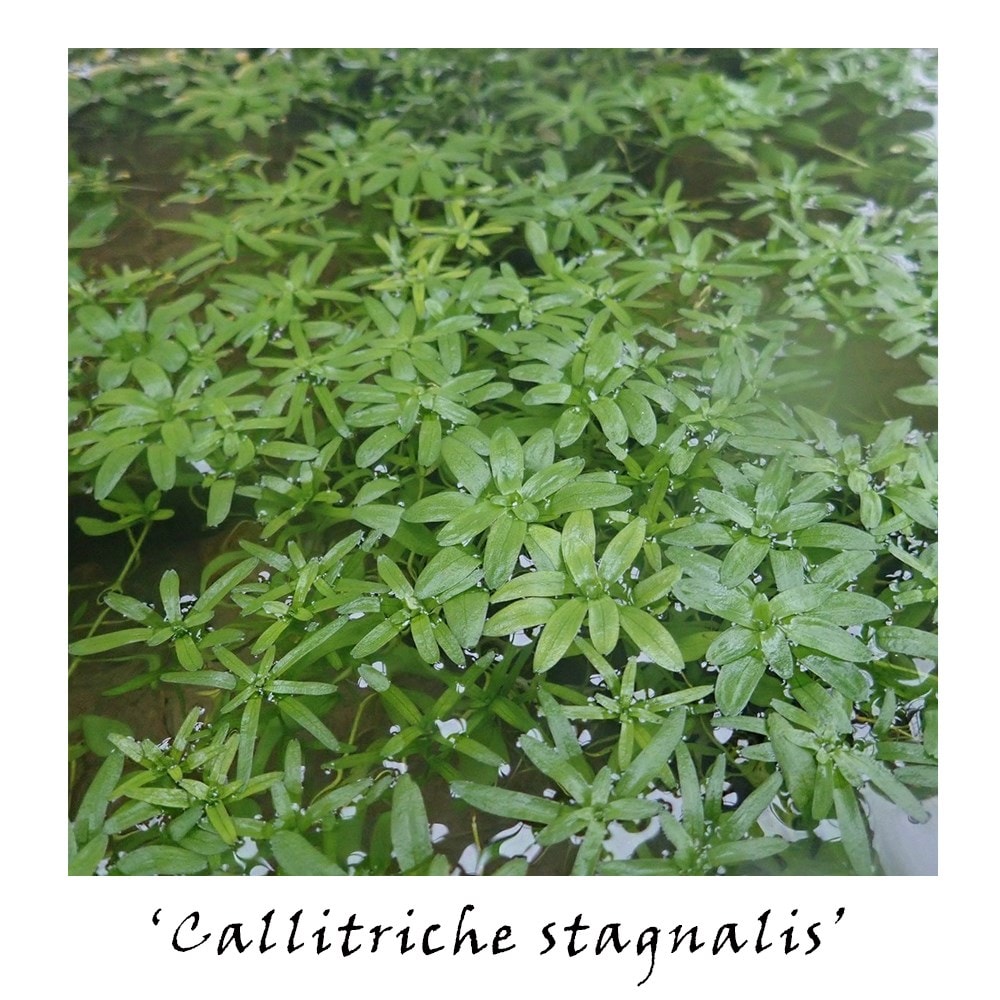
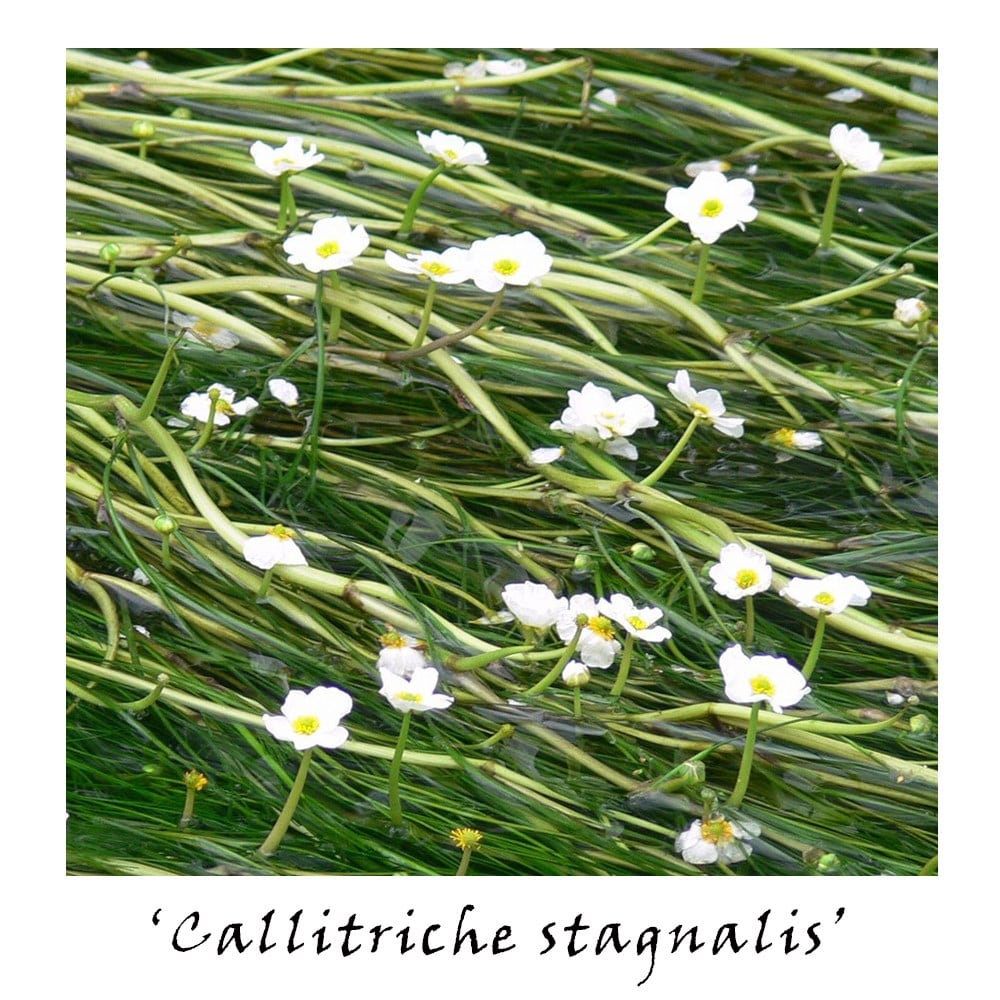
- Callitriche stagnalis (water starwort)
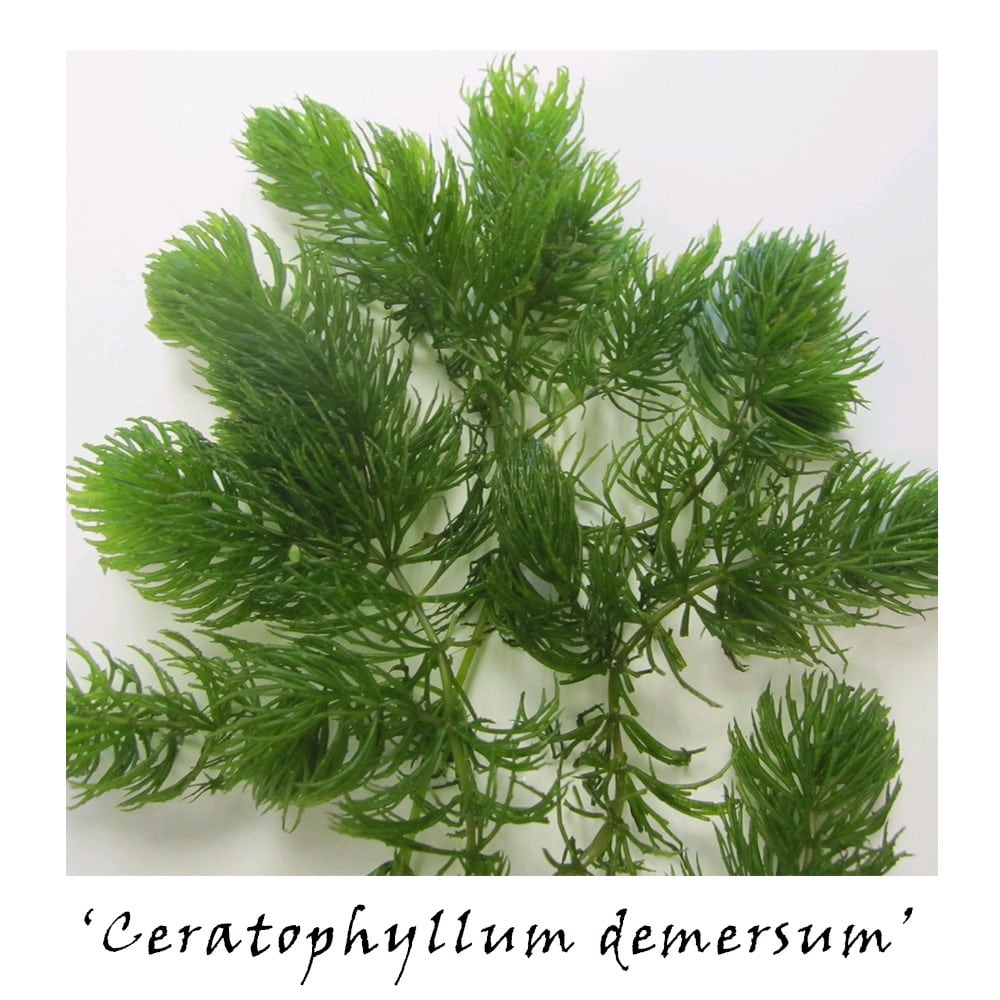
- Ceratophyllum demersum (hornwort)
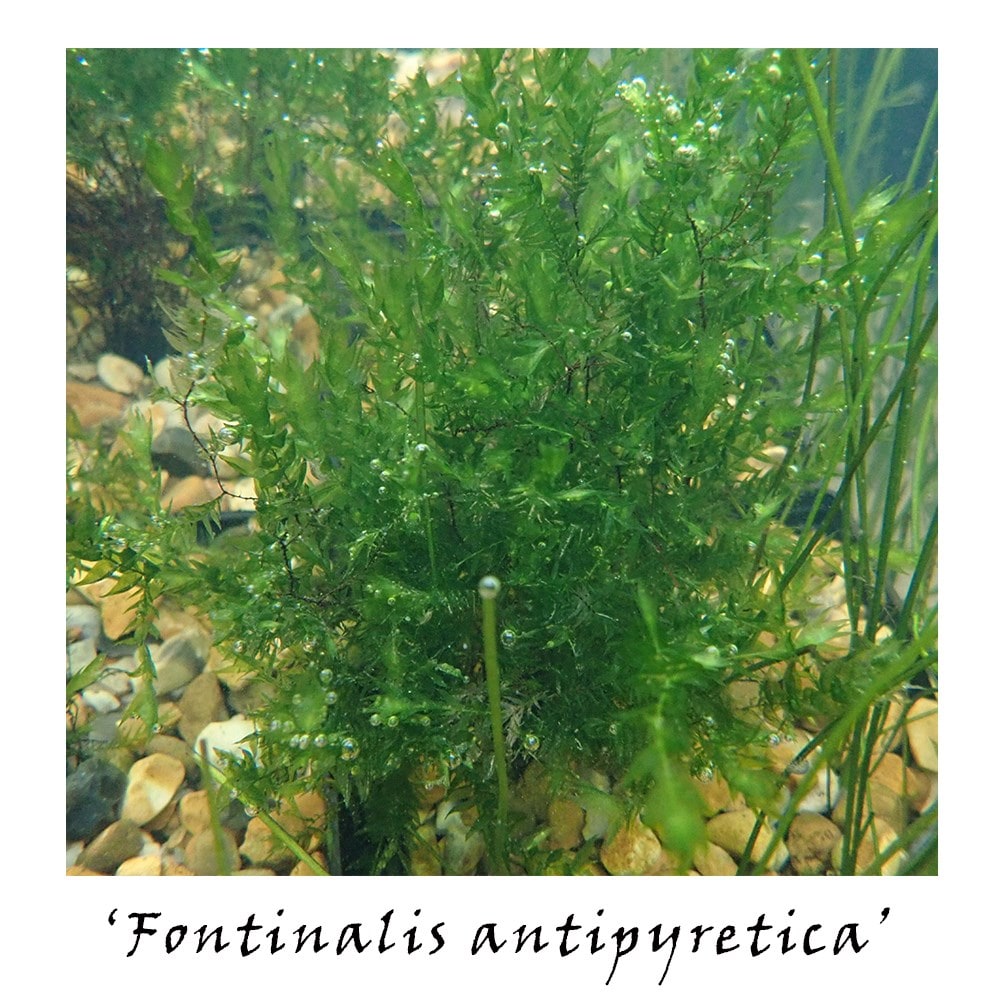
- Fontinalis antipyretica (water moss)
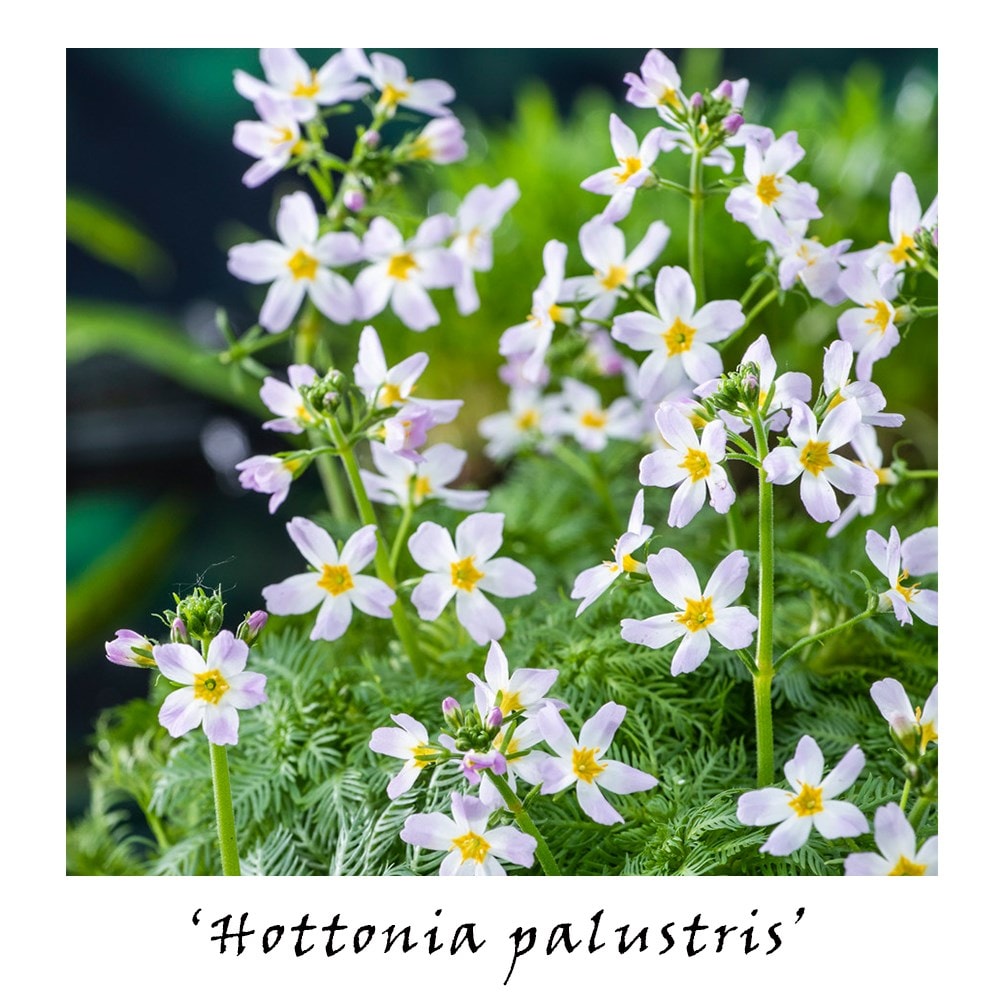
- Hottonia palustris (water violet)
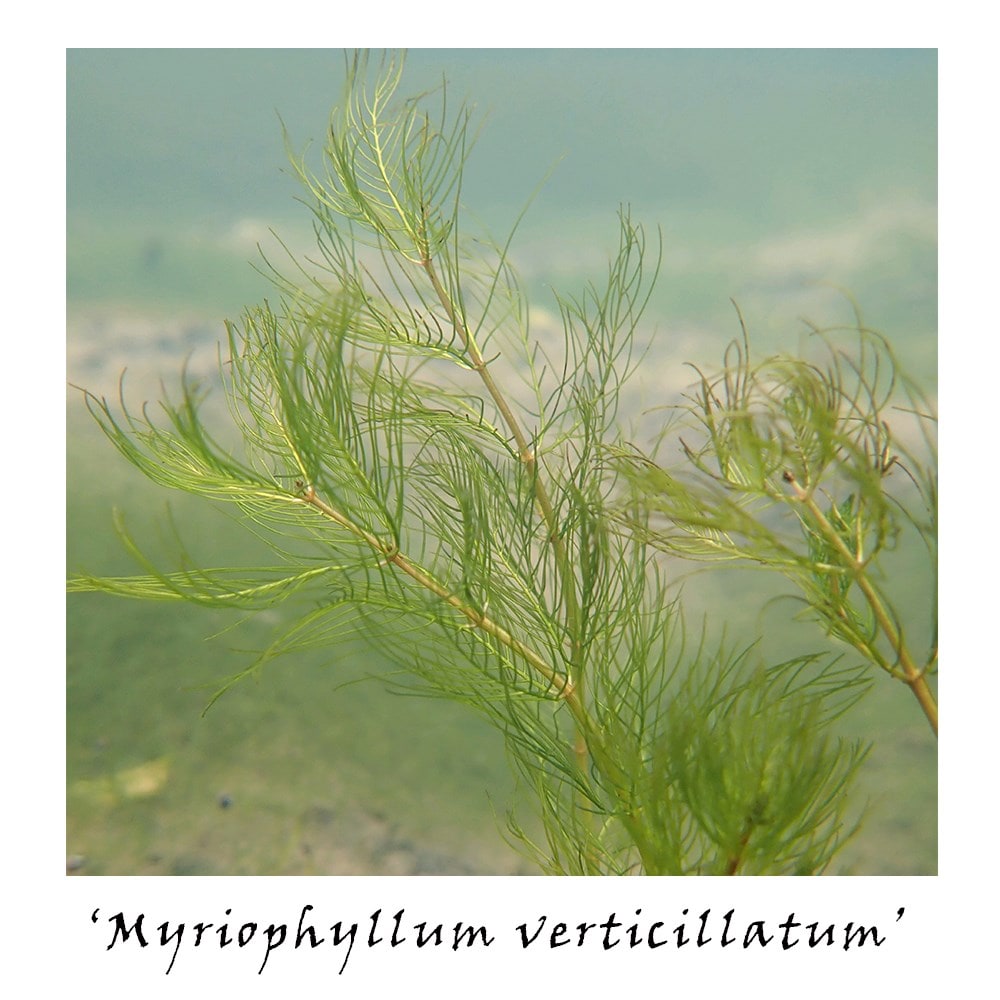
- Myriophyllum verticillatum (whorled water milfoil)
These plants offer versatile planting options for pond margins or submerged positions. They can be used as boggy marginals in shallow water or submerged a few inches below the surface when potted up into aquatic baskets baskets with aquatic soil and topped with gravel to weight them down.
During the growing season, they naturally oxygenate water, absorb excess nutrients, and provide wildlife shelter. Thin out excessive growth in late summer if needed, removing around one-third of foliage to maintain water quality. Remove dead foliage in winter to prevent decomposition depleting oxygen levels, then trim back old growth in spring to encourage fresh shoots.
These low-maintenance plants require no feeding as they obtain nutrients directly from the water.
During the growing season, they naturally oxygenate water, absorb excess nutrients, and provide wildlife shelter. Thin out excessive growth in late summer if needed, removing around one-third of foliage to maintain water quality. Remove dead foliage in winter to prevent decomposition depleting oxygen levels, then trim back old growth in spring to encourage fresh shoots.
These low-maintenance plants require no feeding as they obtain nutrients directly from the water.