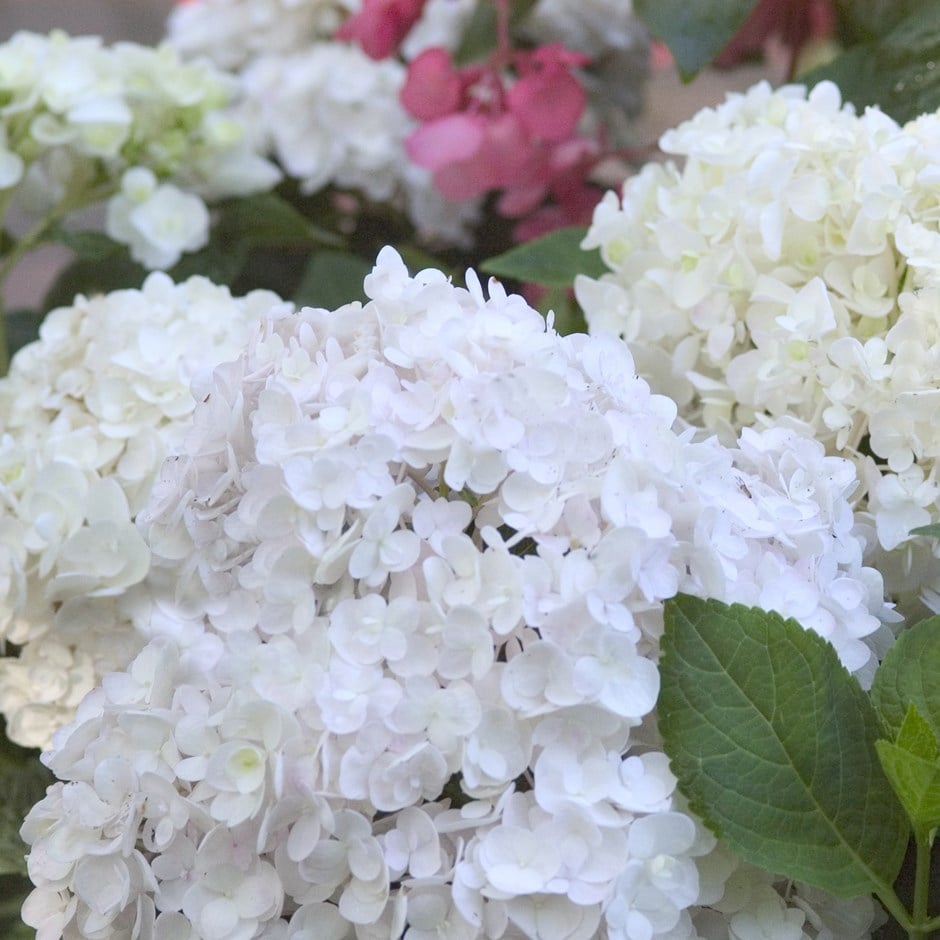
Hydrangea macrophylla 'Blushing Bride'
hydrangea
- 2 litre pot
- £17.99
- In stock (shipped within 2-3 working days)
Delivery options
- Standard £5.99
- Position: full sun or partial shade
- Soil: moist, well-drained, moderately fertile soil
- Rate of growth: fast
- Flowering period: June to October
- Hardiness: fully hardy
First discovered by a nursery worker at Bailey Nurseries in Minnesota, USA, Hydrangea macrophylla 'Blushing Bride' wa hailed by the renowned American horticulturalist, Dr. Michael Dirr as “a horticultural miracle” in his book 'Hydrangeas for American Gardens'.
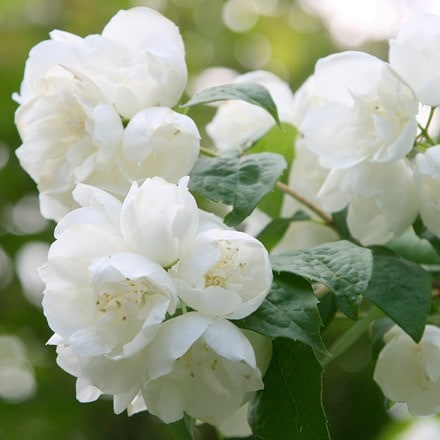
What sets them apart is that the Endless Summer range can flower on both new and old wood. That means you can enjoy the big clusters of white to pink-flushed flowers from June to October. A fabulous, long flowering addition to the garden, they will also make a great informal hedge.
What sets them apart is that the Endless Summer range can flower on both new and old wood. That means you can enjoy the big clusters of white to pink-flushed flowers from June to October. A fabulous, long flowering addition to the garden, they will also make a great informal hedge.
Hydrangea thrives in moist, well-drained soil enriched with organic matter, making it important to improve the soil before planting by adding well-rotted compost or manure.
Choose a spot with partial shade, as full sun can scorch the leaves, especially in warmer climates, while deep shade may reduce flowering.
Regular watering is essential, particularly during dry spells, as these plants dislike drying out. To keep the soil cool and retain moisture, apply a layer of mulch around the base in spring, being careful not to let it touch the stems.
Pruning should be done with care. In early spring, remove any dead or damaged wood, but leave the old flowerheads on over winter to protect the buds below from frost.
For mophead and lacecap species, only prune back to the first pair of strong buds beneath the old flowers, as these types bloom on old wood. If necessary, remove one or two older stems down to the base to encourage new growth, but avoid cutting back the entire plant.
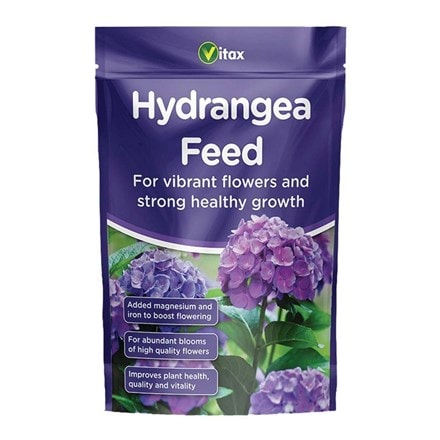
Fertilise in spring with a balanced feed, and for cultivars with colour-dependent blooms, test the soil pH. Adding hydrangea colourant (iron and aluminium salts) can enhance blue flowers in acidic soil, while lime can encourage pinker tones in alkaline conditions. It is best to choose according to the predominant soil conditions for best results on colour.
Choose a spot with partial shade, as full sun can scorch the leaves, especially in warmer climates, while deep shade may reduce flowering.
Regular watering is essential, particularly during dry spells, as these plants dislike drying out. To keep the soil cool and retain moisture, apply a layer of mulch around the base in spring, being careful not to let it touch the stems.
Pruning should be done with care. In early spring, remove any dead or damaged wood, but leave the old flowerheads on over winter to protect the buds below from frost.
For mophead and lacecap species, only prune back to the first pair of strong buds beneath the old flowers, as these types bloom on old wood. If necessary, remove one or two older stems down to the base to encourage new growth, but avoid cutting back the entire plant.
Fertilise in spring with a balanced feed, and for cultivars with colour-dependent blooms, test the soil pH. Adding hydrangea colourant (iron and aluminium salts) can enhance blue flowers in acidic soil, while lime can encourage pinker tones in alkaline conditions. It is best to choose according to the predominant soil conditions for best results on colour.
- Humans: Skin allergen; Pets: Harmful if eaten