Meconopsis (Infertile Blue Group) 'Slieve Donard'
Himalayan blue poppy

- 9cm pot
- £19.99
- In stock (shipped within 2-3 working days)
- 3 × 9cm pots
- £44.99 £15.00 each
- In stock (shipped within 2-3 working days)
- 2 litre pot
- £28.99
- available to order from spring
- 3 × 2 litre pots
- £74.99 £25.00 each
- available to order from spring
Delivery options
- Standard £5.99
- Position: partial shade
- Soil: humus rich, moist, well-drained acid soil or ericaceous compost
- Rate of growth: average
- Flowering period: June to July
- Hardiness: fully hardy
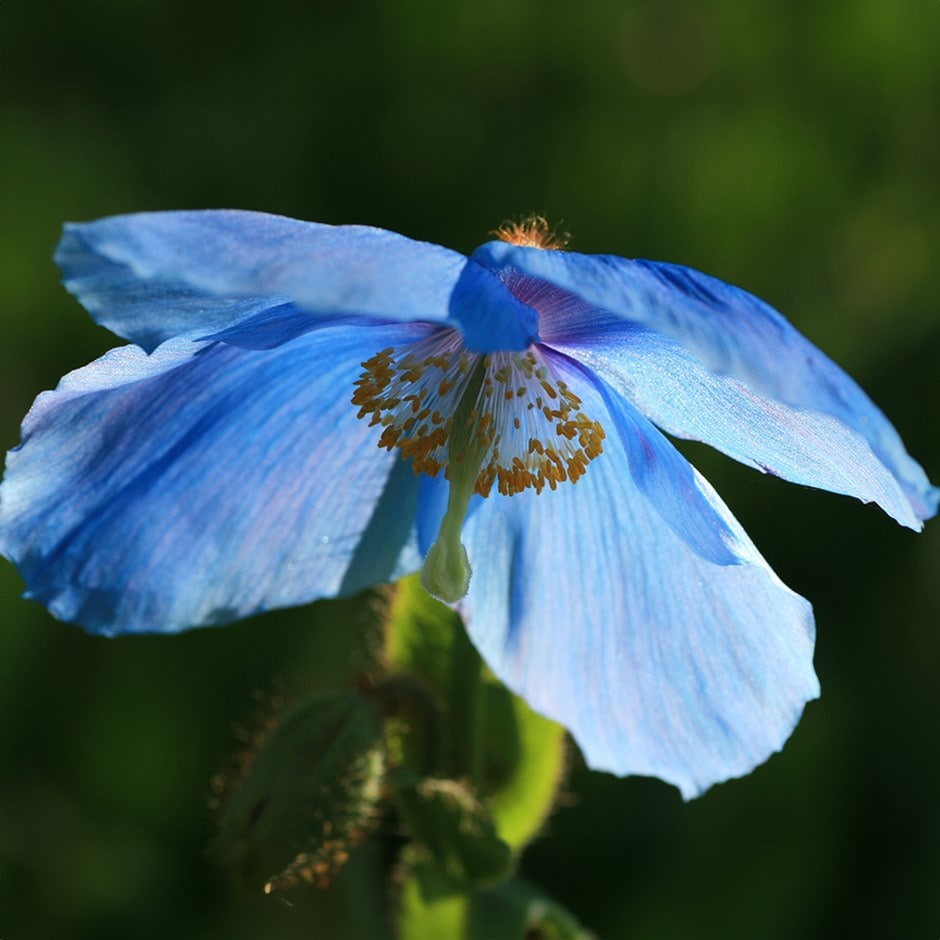
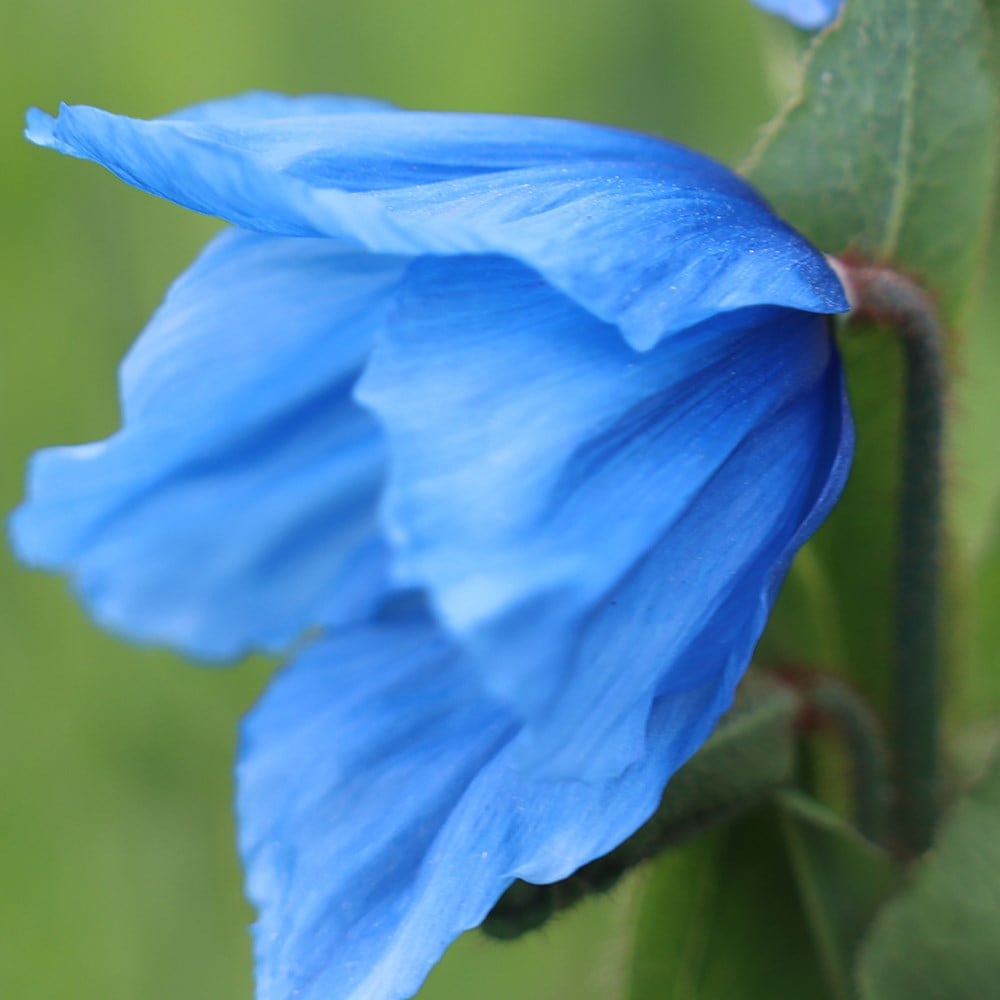
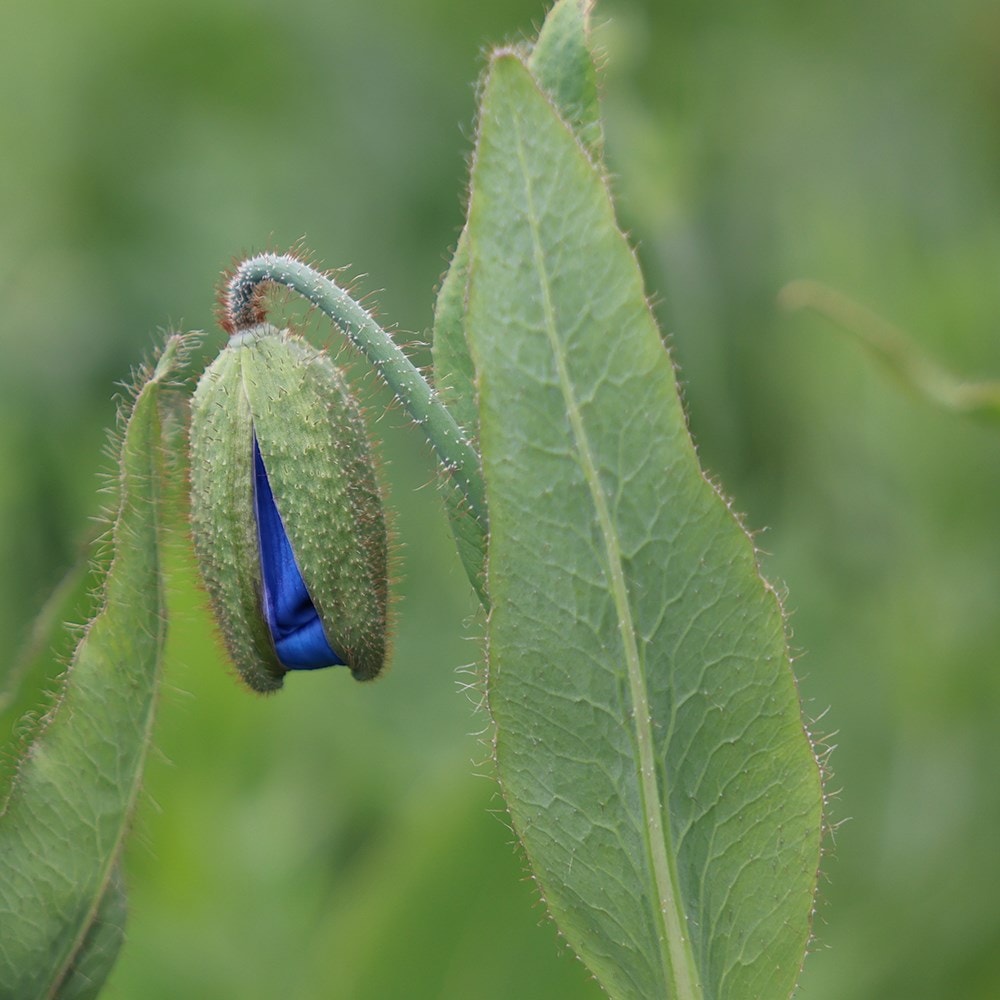
A short-lived yet vigorous perennial, 'Slieve Donard' boasts a basal rosette adorned with oval leaves covered in delicate white hairs. Come early to midsummer, its branching, bristly stems reach skyward, showcasing a cluster of pure sky blue poppies, each with overlapping petals and contrasting yellow stamens, measuring 10-16cm (4-6in) across. The decorative seed capsules, although covered in bristly hairs, hold no viable seeds. Ideal for woodland edges with reliable summer moisture, this sterile clone is known for its resilience, consistently presenting well-rounded flowers occasionally kissed by hints of purple or mauve. While this Himalayan Poppy may pose a challenge to cultivate, the allure of its ethereal blooms makes it a worthy endeavour for adventurous gardeners.
Plant Meconopsis in a cool, sheltered position with dappled shade and moist, humus-rich, slightly acidic soil. Avoid areas prone to waterlogging or full sun, which can stress the plants. When planting, incorporate plenty of organic matter such as leaf mould or composted bark into the soil to improve structure and retain moisture.
Water regularly during dry spells, especially in their first growing season, as consistent moisture is key to establishment. After flowering, remove old or damaged foliage to encourage healthy new growth and prevent fungal problems. In colder areas, protect crowns with a light mulch of leaves over winter to guard against frost damage.
Water regularly during dry spells, especially in their first growing season, as consistent moisture is key to establishment. After flowering, remove old or damaged foliage to encourage healthy new growth and prevent fungal problems. In colder areas, protect crowns with a light mulch of leaves over winter to guard against frost damage.
