Melianthus major
honey bush


- 2 litre pot
- £19.99
- In stock (shipped within 2-3 working days)
- 3 × 2 litre pots
- £49.99 £16.66 each
- In stock (shipped within 2-3 working days)
Delivery options
- Standard £5.99
- Position: full sun
- Soil: moderately fertile, moist but well-drained soil
- Rate of growth: average to fast
- Flowering period: May to July
- Hardiness: half hardy (will need winter protection)
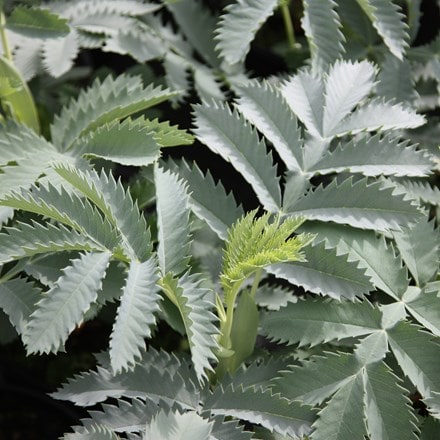
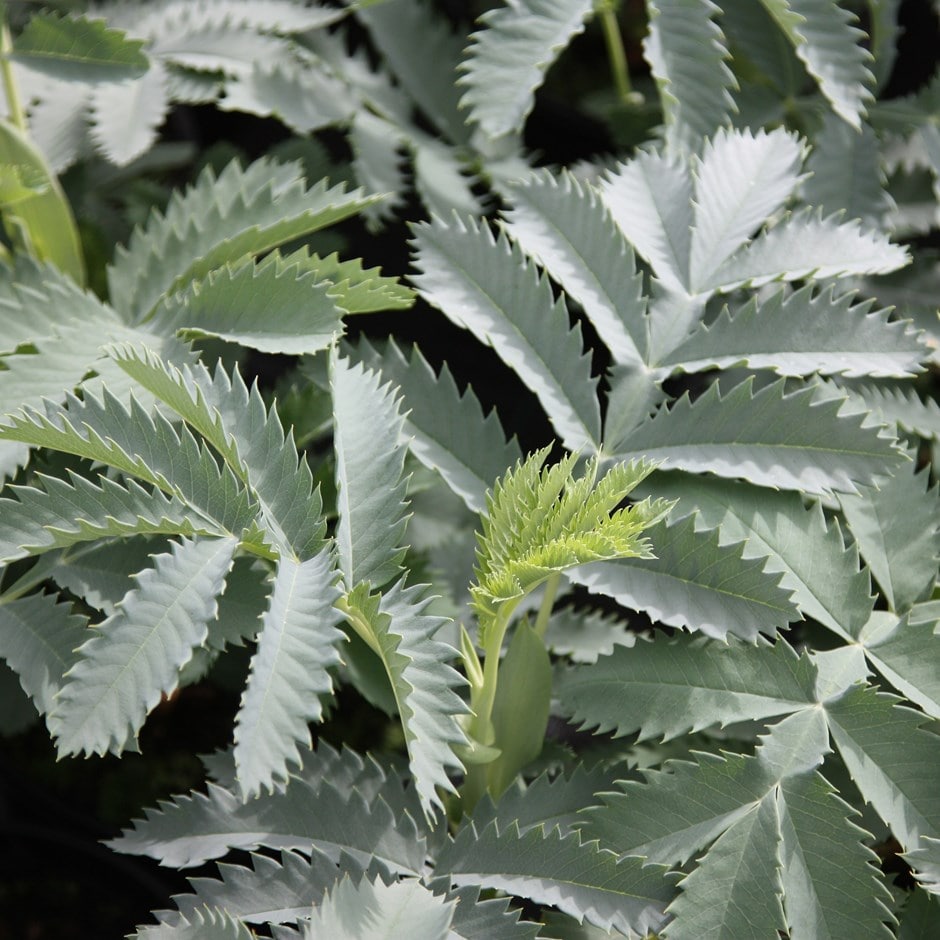
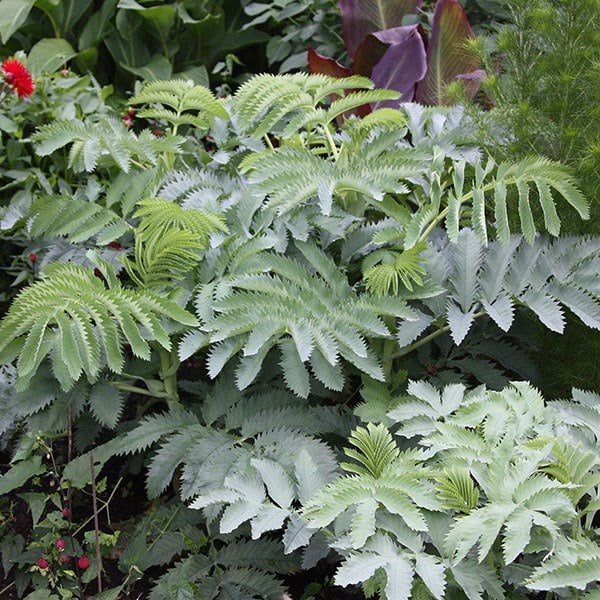
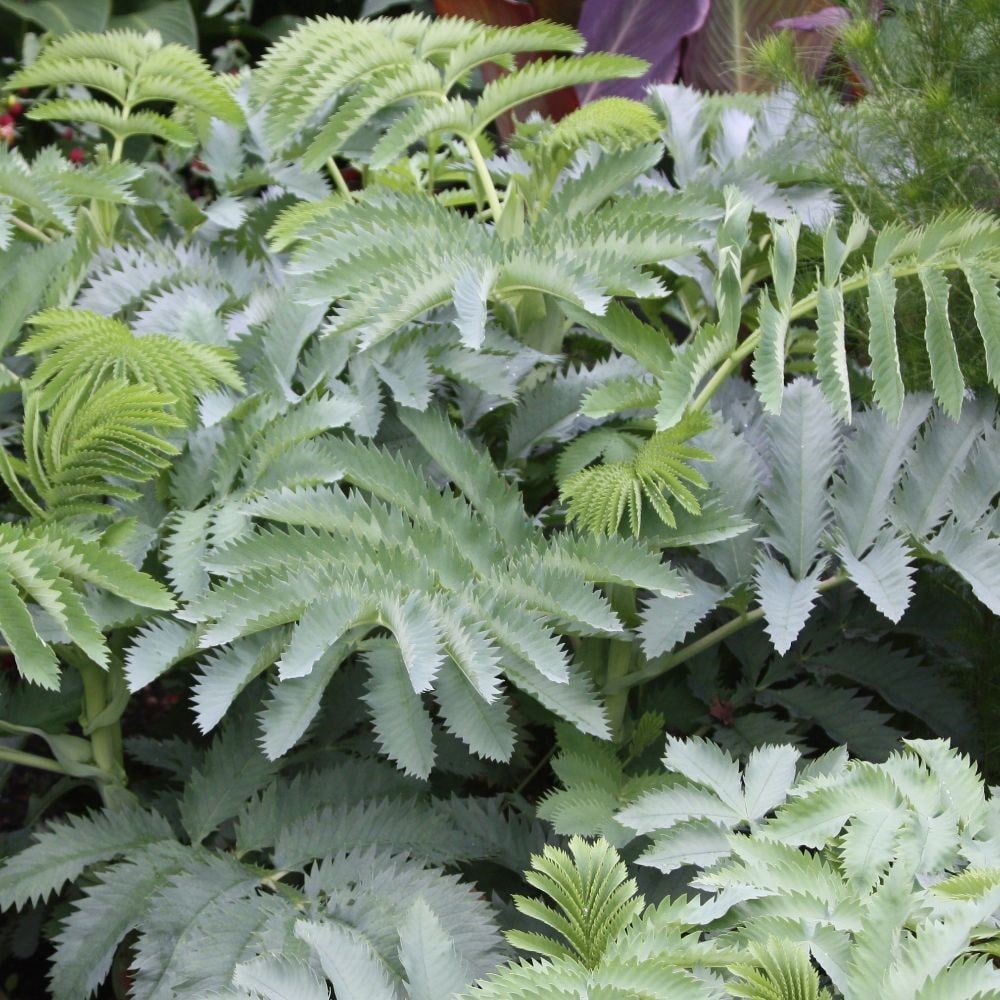
As they unfurl in early spring, the spectacular, grey-green leaves, up to 50cm (20in) long, reveal serrated edges that look as though they have been cut with pinking shears. This dramaticly architectural perennial shrub makes a stunning specimen for a sunny border or exotic-style garden in warmer areas of the country.
Although primarily grown for its foliage, in hot summers it will often send up curious tubular, reddish-brown flowers..
To stop Melianthus major getting leggy, it is best cut back in early spring and the plant will make up to 1.5m growth in one season. To minimise the risk of frost damage it's important to provide a dry winter mulch.
It's worth keeping in mind that the honey bush is quite late into leaf in spring, so you do need to be patient, but you may be surprised by the amount of growth it will put on late in the year.
Although primarily grown for its foliage, in hot summers it will often send up curious tubular, reddish-brown flowers..
To stop Melianthus major getting leggy, it is best cut back in early spring and the plant will make up to 1.5m growth in one season. To minimise the risk of frost damage it's important to provide a dry winter mulch.
It's worth keeping in mind that the honey bush is quite late into leaf in spring, so you do need to be patient, but you may be surprised by the amount of growth it will put on late in the year.
Choose a sunny, sheltered position protected from cold winds in fertile, moist but well-drained soil, digging in plenty of organic matter beforehand. Plant at the same depth as the pot, spacing 1-1.5m (3-5ft) apart to allow for spreading growth, ideally in spring after frost risk has passed.
Feed with a balanced fertiliser in late spring to encourage strong growth and water during dry spells throughout the growing season, as the large leaves lose moisture quickly.
Deadhead spent flower spikes to maintain appearance and remove any damaged or frost-affected foliage as needed. In milder areas, you can leave some woody framework rather than cutting to the base, and divide congested clumps every 3-4 years in spring, watching for potential suckering growth which can be removed or transplanted.
For winter protection in colder areas, consider growing in a large pot that can be moved to a frost-free greenhouse or conservatory, or alternatively protect crowns with a thick layer of mulch and fleece in exposed gardens.
Feed with a balanced fertiliser in late spring to encourage strong growth and water during dry spells throughout the growing season, as the large leaves lose moisture quickly.
Deadhead spent flower spikes to maintain appearance and remove any damaged or frost-affected foliage as needed. In milder areas, you can leave some woody framework rather than cutting to the base, and divide congested clumps every 3-4 years in spring, watching for potential suckering growth which can be removed or transplanted.
For winter protection in colder areas, consider growing in a large pot that can be moved to a frost-free greenhouse or conservatory, or alternatively protect crowns with a thick layer of mulch and fleece in exposed gardens.