Muscari macrocarpum 'Golden Fragrance' (PBR)
grape hyacinth bulbs
- 5 × bulbs
- £5.99 £1.20 each
- available to order from winter
- 15 × bulbs
- £16.50 £1.10 each
- available to order from winter
Delivery options
- Bulbs (only) £4.99
- Position: full sun
- Soil: moderately fertile, well-drained soil (for container-grown bulbs use two parts John Innes No.2 compost to one part sharp grit)
- Rate of growth: fast
- Flowering period: March to April
- Hardiness: fully hardy
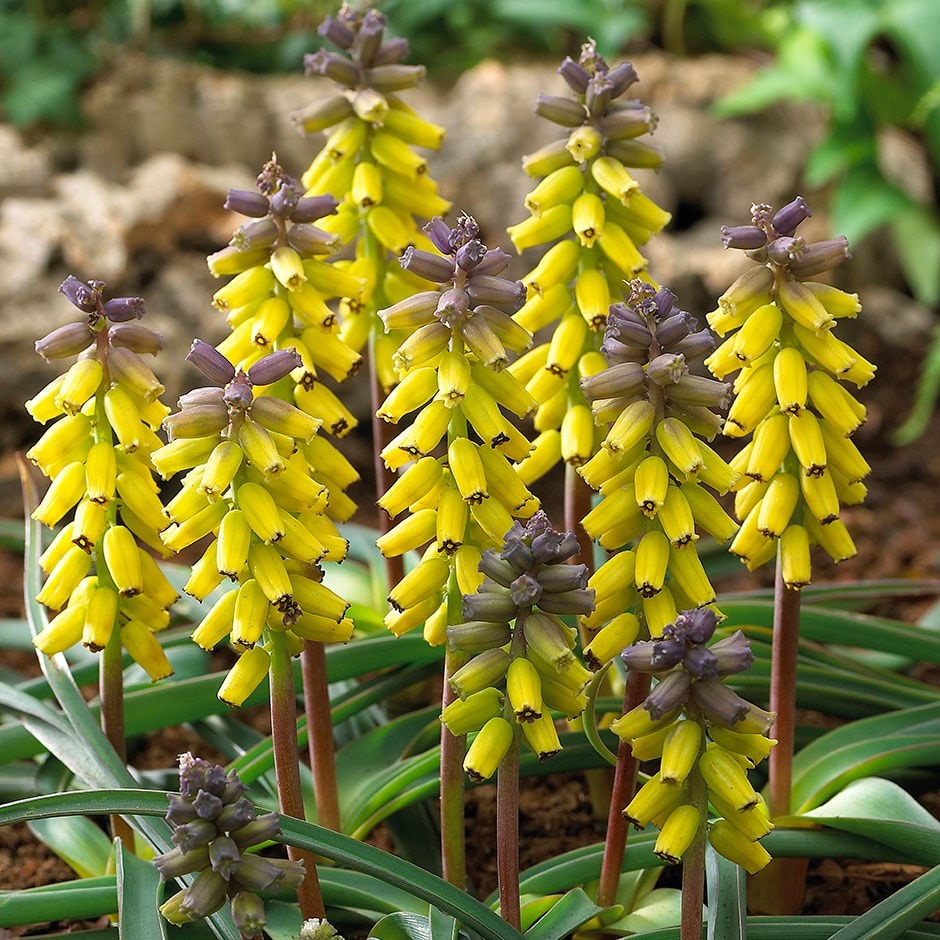
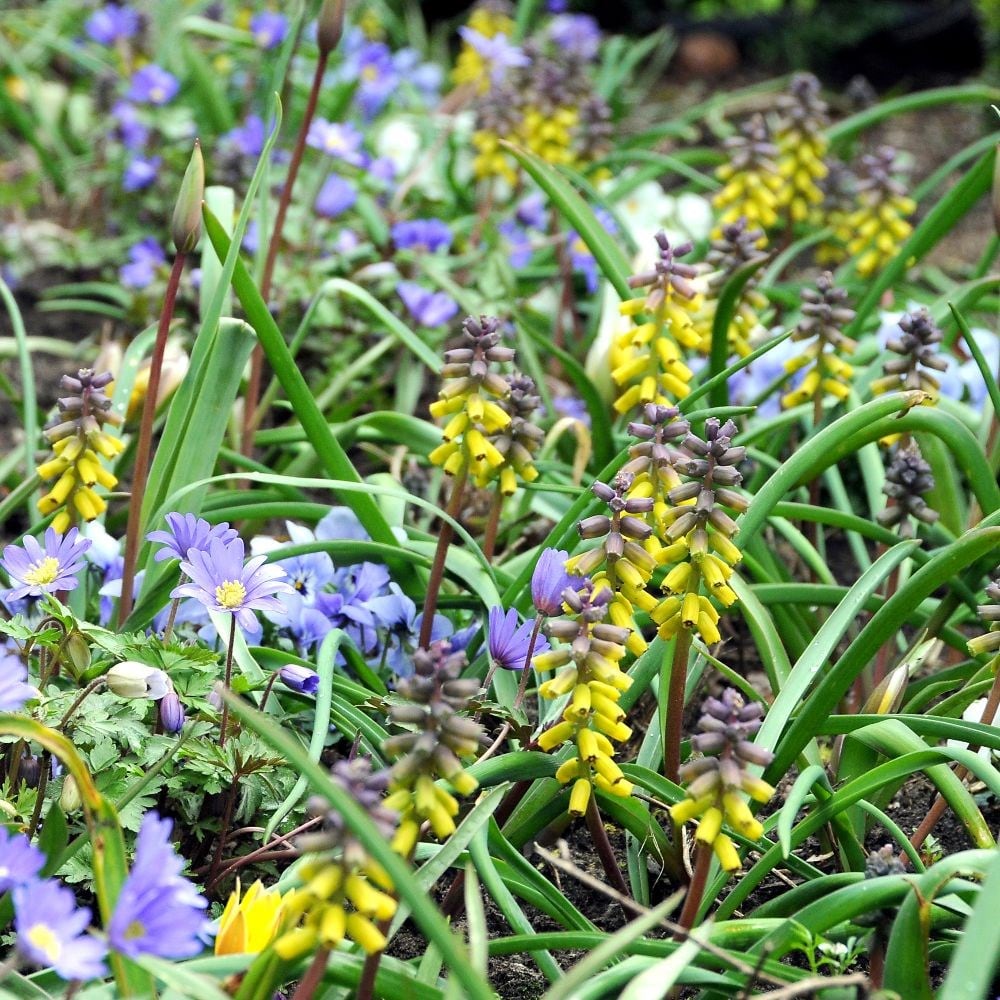
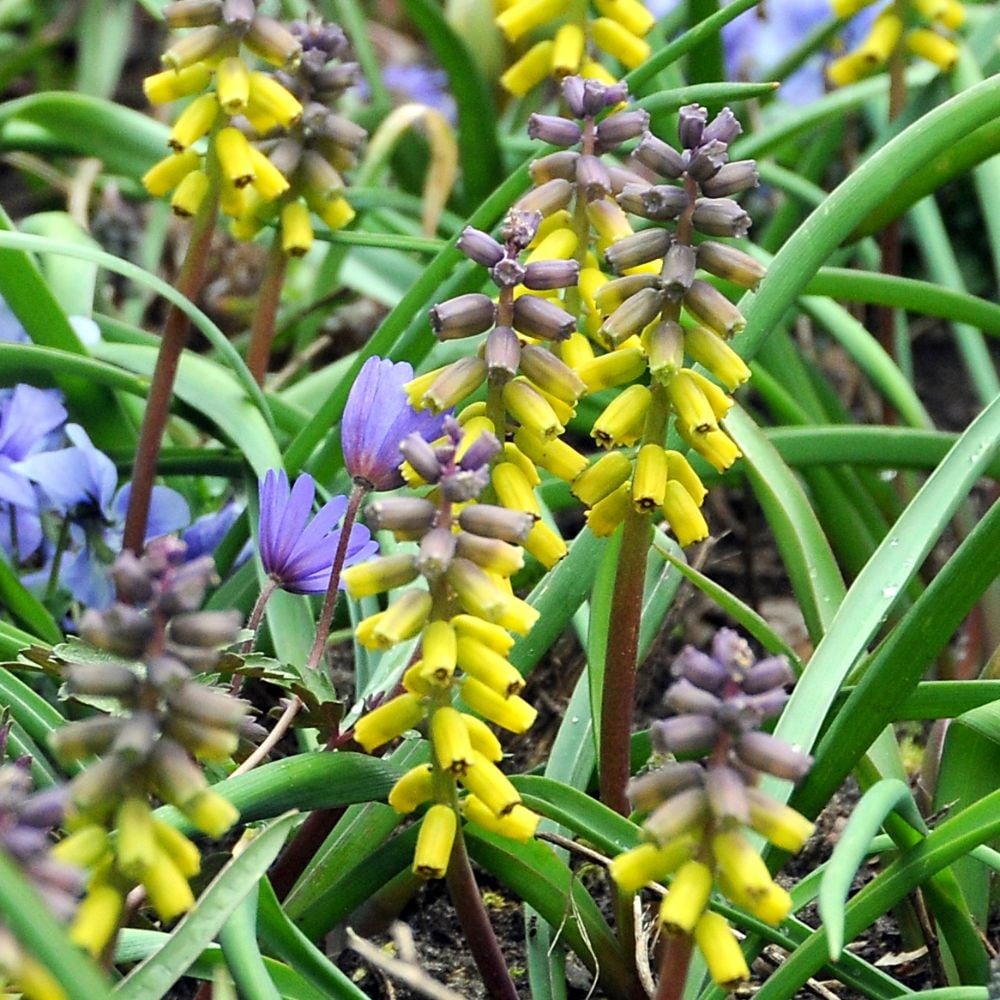
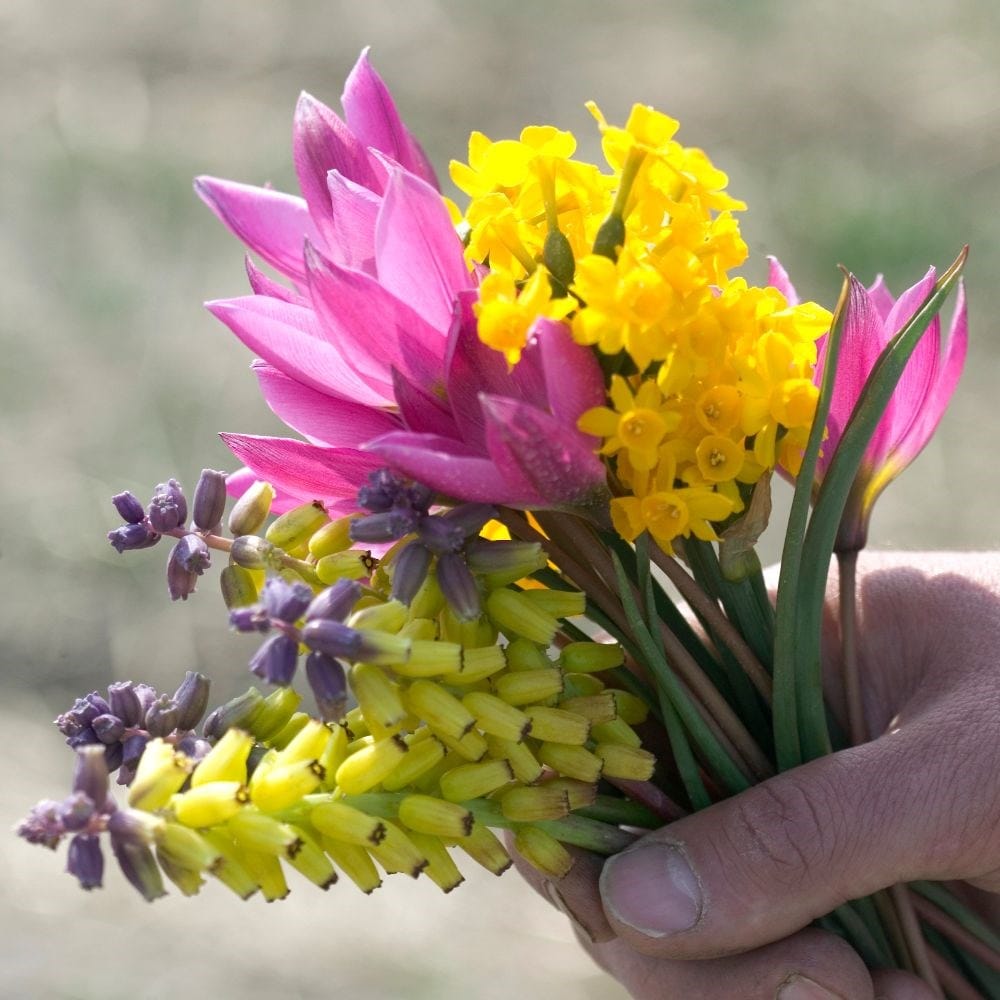
A delightful and unusual variant on the commonly seen blue forms, this yellow grape hyacinth is very free flowering and has a delicious scent. The buds of Muscari macrocarpum 'Golden Fragrance' first emerge from amongst the grey-green foliage a dusky purple, but take on yellow shades as the flowers open fully. Not as vigorous (some would say invasive) as the other grape hyacinths, but well worth finding a spot in the garden for, because of their long-lasting, uniquely coloured blooms, which smell like gardenias.
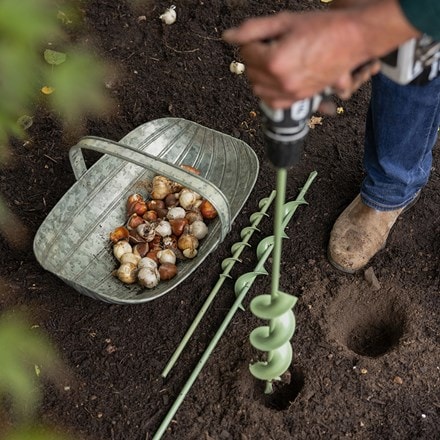
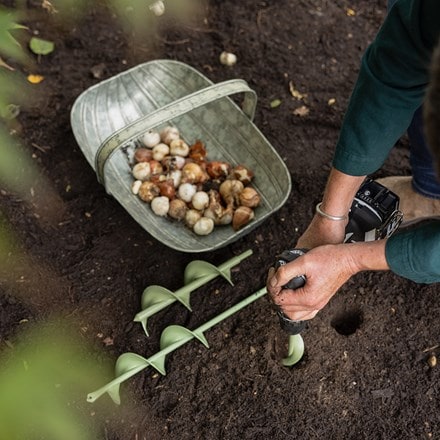
These hardy spring bulbs prefer well-drained soil in full sun to partial shade. The best time to plant grape hyacinth bulbs is in autumn, place them 10cm (4in) deep and 5-7cm (2-3in) apart. After flowering, allow the foliage to die back naturally, as this replenishes the bulb's energy for next year's display. An annual feed with a good general-purpose fertiliser (like Vitax Q4) in autumn will help keep the bulbs healthy. During summer when the bulbs are dormant, lift, divide and replant mature groups that are becoming congested.
In containers, plant Muscari more densely for an abundant show, using a well-draining potting mix. Ensure good drainage and consider moving pots to a sheltered spot during summer dormancy to prevent waterlogging from heavy rains or irrigation equipment.
In containers, plant Muscari more densely for an abundant show, using a well-draining potting mix. Ensure good drainage and consider moving pots to a sheltered spot during summer dormancy to prevent waterlogging from heavy rains or irrigation equipment.
- Humans/Pets: Ornamental bulbs - not to be eaten