Rudbeckia hirta 'Enchanted Ruby Crush'
coneflower

- 2 litre pot
- £9.99
- available to order from late spring
- 2 + 1 FREE 2 litre pots
- £19.98 £6.66 each
- available to order from late spring
Delivery options
- Standard £5.99
- Position: full sun
- Soil: moderately fertile, moist but well-drained soil, or general-purpose potting compost for containers
- Rate of growth: average
- Flowering period: July to October
- Hardiness: frost tender (will need winter protection)
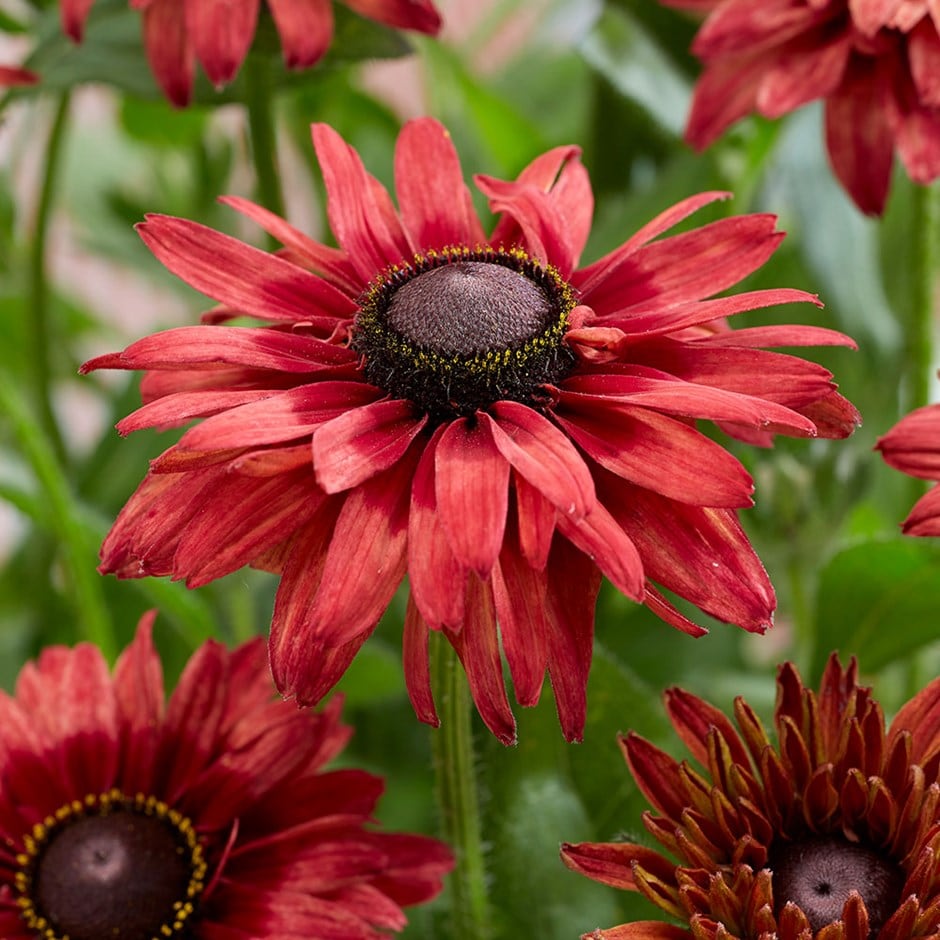
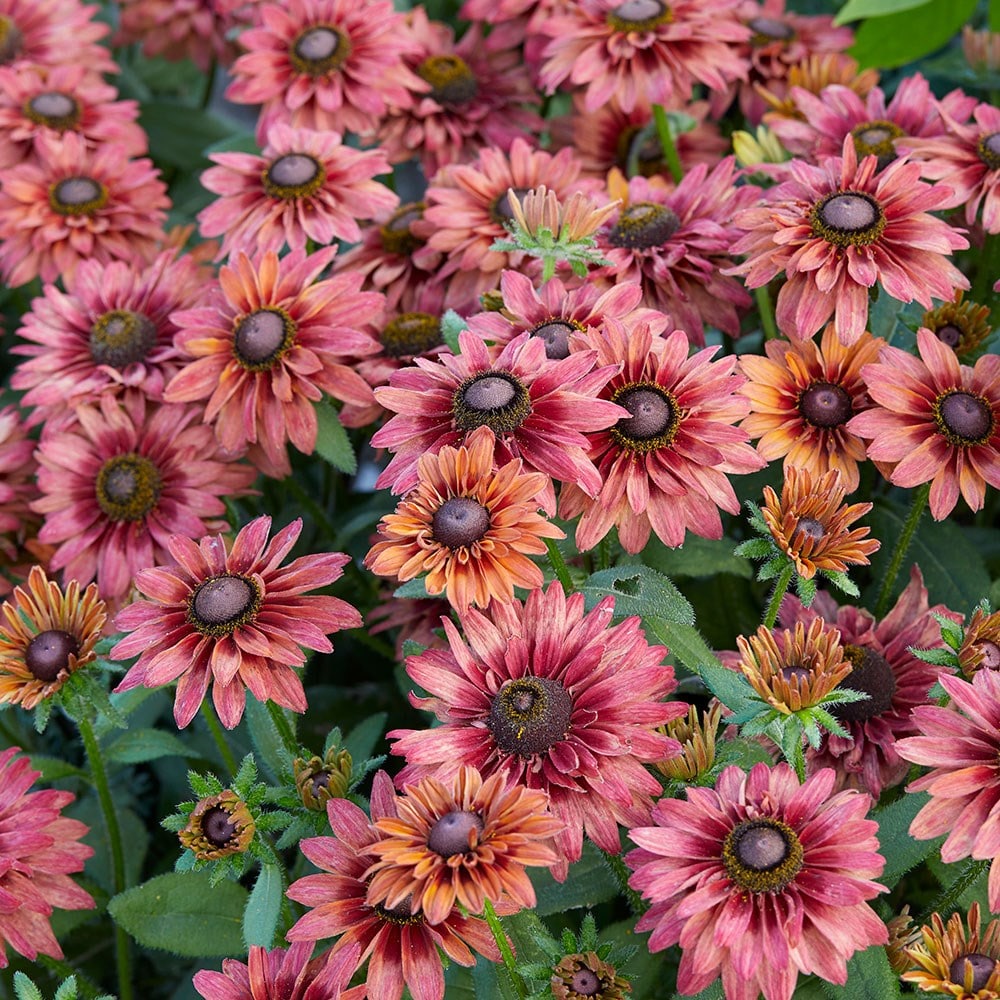
Best grown as a magnificent tender annual, Rudbeckia horta ‘Enchanted Ruby Crush’ is a black-eyed Susan with multiple layers of long-lasting peach, pink and red flushed petals with a boss of chocolate brown and yellow stamens.
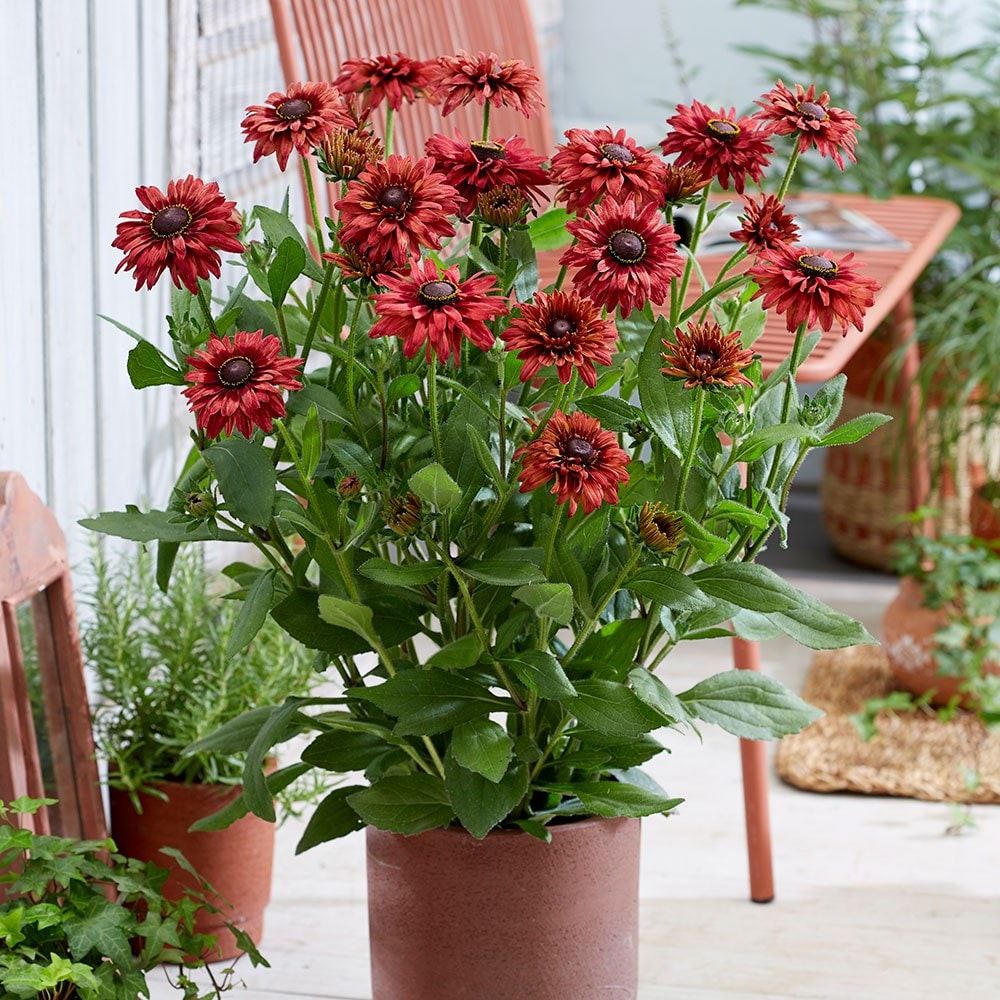
Perfect for pots, containers or massed together where they will also attract a wide range of pollinating insects, these eye-catching tender perennials are a colourful addition to a wildlife garden.
Please note that the pot in the photograph is not supplied with the plants, but we have a wide and wonderful range on our website to choose from.
Perfect for pots, containers or massed together where they will also attract a wide range of pollinating insects, these eye-catching tender perennials are a colourful addition to a wildlife garden.
Please note that the pot in the photograph is not supplied with the plants, but we have a wide and wonderful range on our website to choose from.
Plant out after the last frost, choosing a sunny position with well-drained soil. Water regularly during dry spells in their first few weeks to help them establish, but avoid waterlogging. Apply a general-purpose fertiliser in early summer to encourage strong growth and flowering.
Deadhead faded blooms regularly to prolong the display, or leave some seed heads in late autumn for wildlife and self-seeding. Tall stems may need staking in exposed sites to prevent wind damage. Remove spent plants after flowering if you don’t want them to self-seed, or allow them to drop seed for future plants.
Deadhead faded blooms regularly to prolong the display, or leave some seed heads in late autumn for wildlife and self-seeding. Tall stems may need staking in exposed sites to prevent wind damage. Remove spent plants after flowering if you don’t want them to self-seed, or allow them to drop seed for future plants.