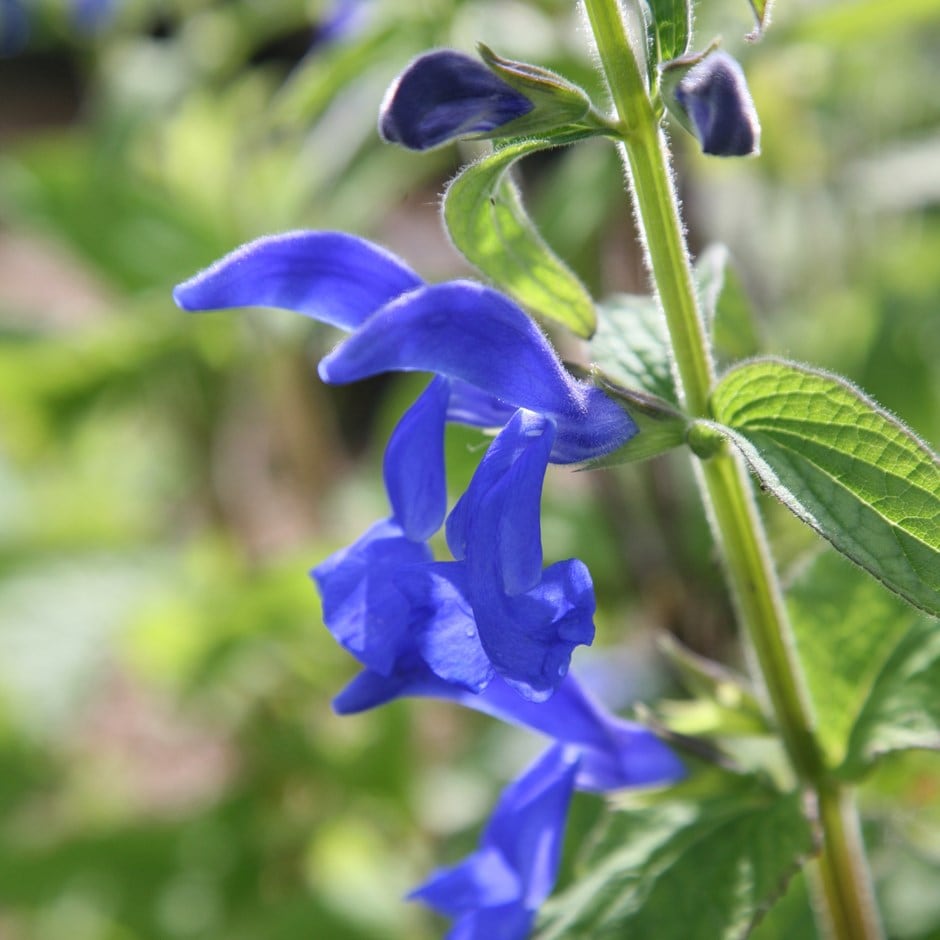
Salvia patens
gentian sage


- 9cm pot
- £9.99
- In stock (delivery within 3-4 working days)
- 3 × 9cm pots
- £23.99 £8.00 each
- In stock (delivery within 3-4 working days)
Delivery options
- Standard £5.99
- Position: full light (with shade from hot sun)
- Soil: moderately fertile, moist but well-drained soil
- Rate of growth: average
- Flowering period: July to September
- Hardiness: frost hardy (needs winter protection)
Producing a spectacular display from midsummer to mid-autumn, the blooms of Salvia patens are typically a deep, intense, saturated blue, often with a slight velvety richness, very similar to a high-quality lapis lazuli stone. This gentian sage thrives in sheltered, sunny gardens with well-drained soils.
When planting, incorporate compost to improve drainage and fertility, spacing plants 30-45cm (12-18in) apart and watering thoroughly.
To keep the plant blooming throughout the season, promptly remove flower spikes as soon as they begin to fade - this deadheading encourages the plant to produce more flowers rather than putting energy into seed production.
In early spring, apply a generous 5-7cm (2-3in) mulch of well-rotted garden compost or manure around the base of the plant to retain moisture, suppress weeds, and provide essential nutrients as it breaks down. Ensure the mulch is spread evenly, but keep it away from the stems to prevent rot. A supplementary granular fertiliser (such as the mineral based Growmore) is advised in the early part of the season, once the plant begins to sprout.
Regular watering, particularly in dry spells, will help maintain healthy growth, but be careful not to waterlog the soil, as this salvia prefers well-drained conditions.
Finally, consider providing some protection in exposed or colder regions of the UK by covering with a double layer of horticultural fleece or dry mulch (bark chippings/ composted pine needles) to insulate the roots, or by using a cloche to protect the plant against hard frosts.
To keep the plant blooming throughout the season, promptly remove flower spikes as soon as they begin to fade - this deadheading encourages the plant to produce more flowers rather than putting energy into seed production.
In early spring, apply a generous 5-7cm (2-3in) mulch of well-rotted garden compost or manure around the base of the plant to retain moisture, suppress weeds, and provide essential nutrients as it breaks down. Ensure the mulch is spread evenly, but keep it away from the stems to prevent rot. A supplementary granular fertiliser (such as the mineral based Growmore) is advised in the early part of the season, once the plant begins to sprout.
Regular watering, particularly in dry spells, will help maintain healthy growth, but be careful not to waterlog the soil, as this salvia prefers well-drained conditions.
Finally, consider providing some protection in exposed or colder regions of the UK by covering with a double layer of horticultural fleece or dry mulch (bark chippings/ composted pine needles) to insulate the roots, or by using a cloche to protect the plant against hard frosts.
Goes well with
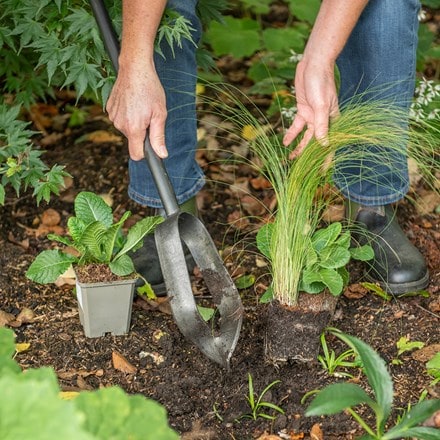
Pinpoint rotational planter for young plants/bulbs - Crocus by DeWit
small
£49.99
In stock (delivery within 3-4 working days)
