Sorbus bissetii
mountain ash (syn. Sorbus Pearls)
- 12 litre pot
- £127.49 £149.99
- available to order from summer
Delivery options
- Standard £12.99
- Position: full sun or lightly dappled shade
- Soil: moderately fertile, moist but well-drained soil
- Rate of growth: average
- Flowering period: April to May
- Hardiness: fully hardy
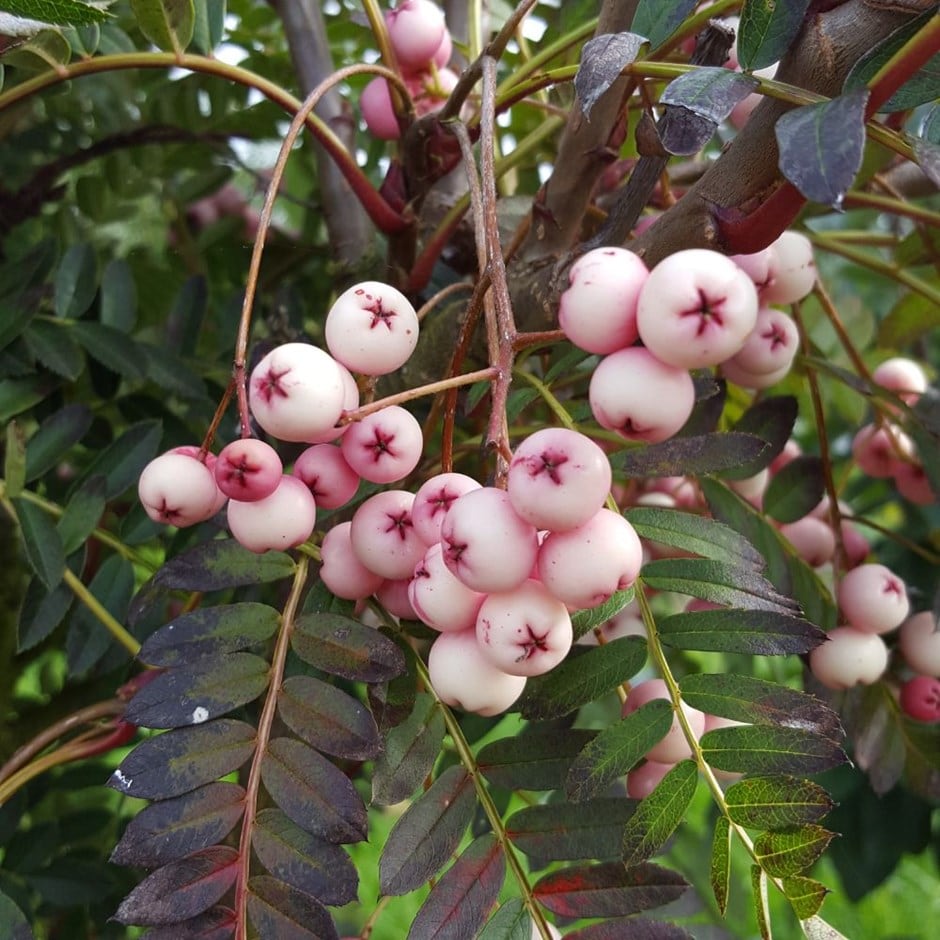
This is an ideal choice for a small garden, particularly if you are looking for a long season of interest. The fern-like foliage of Sorbus bissetii is a rich green throughout the summer, but then it takes on rich red and purple tones before being shed in the autumn. On top of that, small white flowers appear in spring, and these go on to develop showy clusters of rounded berries, which change from a pale pinkish-purple to white.
Avoiding frozen and waterlogged soil, trees should be planted out as they arrive. If you've ordered a bare root tree, soak the roots in a bucket of water for half an hour prior to planting, or if this is not possible, they can be heeled in temporarily, covering their roots with soil, or potted up.
Protect from cold, drying winds. When planting incorporate lots of well-rotted garden compost in the planting hole. To safeguard your trees during shipping and their initial growth, we may supply them attached to a bamboo cane. This support system helps prevent bending or snapping during the early years, ensuring a strong and healthy start. We recommend leaving the cane in place for up to three years, checking the ties seasonally to prevent excessive tightening. Once the tree has developed sufficient strength to stand independently, the cane can be removed. In addition, we advise staking the tree and any attached cane, securely to provide additional support.
Requires minimal pruning. Remove any broken, diseased or crossing branches in late autumn or winter.
Protect from cold, drying winds. When planting incorporate lots of well-rotted garden compost in the planting hole. To safeguard your trees during shipping and their initial growth, we may supply them attached to a bamboo cane. This support system helps prevent bending or snapping during the early years, ensuring a strong and healthy start. We recommend leaving the cane in place for up to three years, checking the ties seasonally to prevent excessive tightening. Once the tree has developed sufficient strength to stand independently, the cane can be removed. In addition, we advise staking the tree and any attached cane, securely to provide additional support.
Requires minimal pruning. Remove any broken, diseased or crossing branches in late autumn or winter.
- Humans/Pets: Fruit are ornamental - not to be eaten
Goes well with
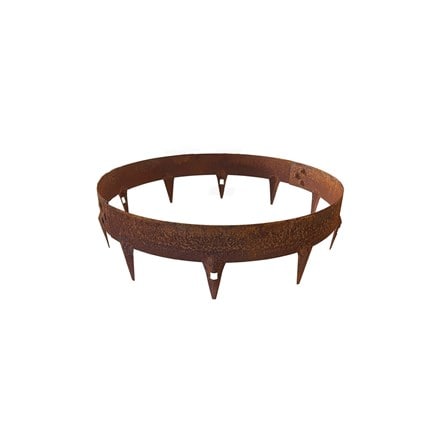
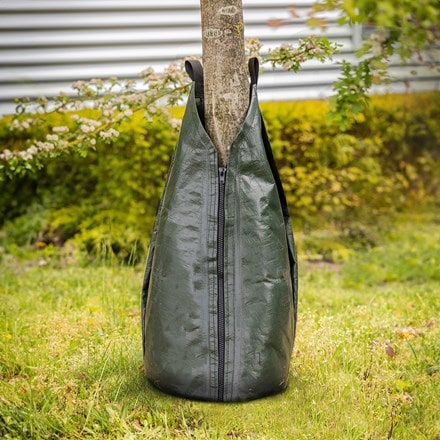
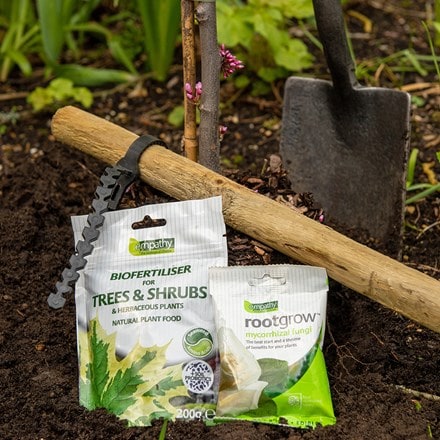
Premium tree planting kit with softwood stake
kit with with softwood stake
£20.95
In stock (delivery within 3-4 working days)