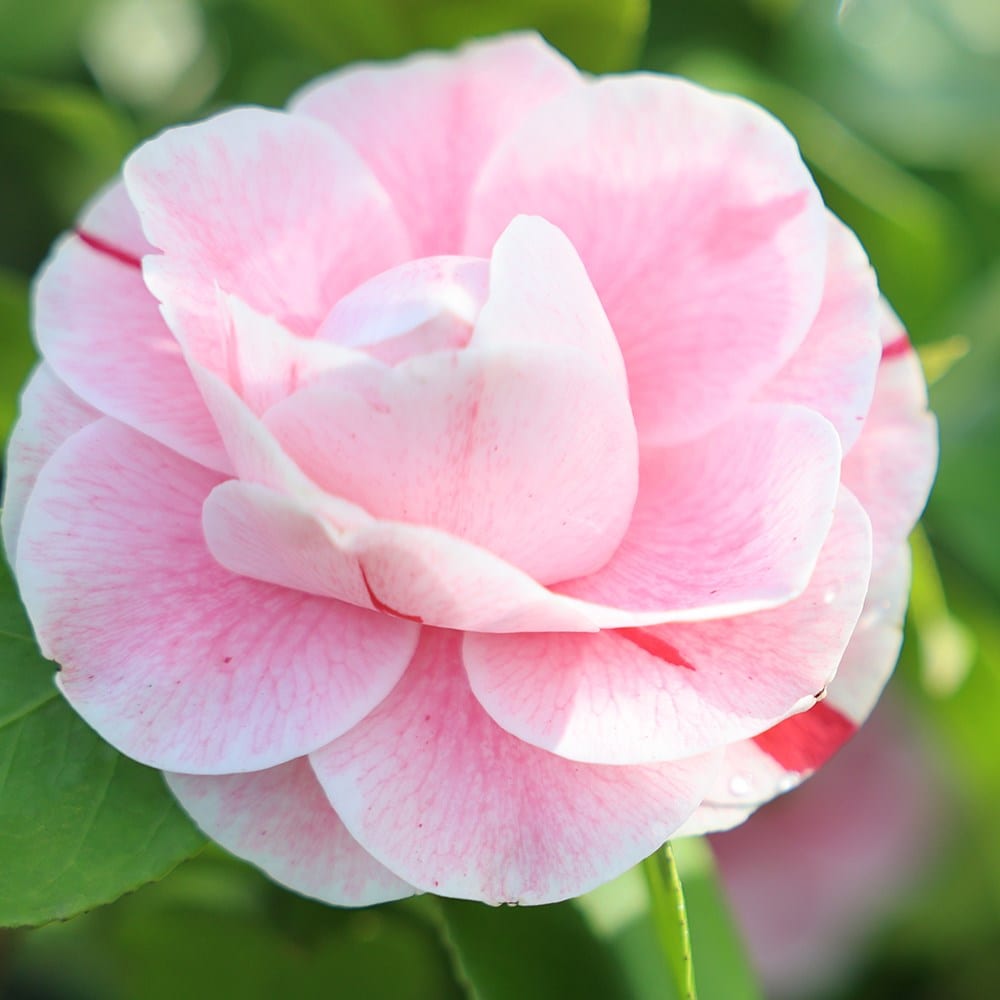
Camellia japonica 'Bonomiana'
camellia
- 2 litre pot
- £39.99
- In stock (shipped within 2-3 working days)
- 3 × 2 litre pots
- £99.99 £33.33 each
- In stock (shipped within 2-3 working days)
Delivery options
- Standard £5.99
- Position: partial shade (but not east-facing)
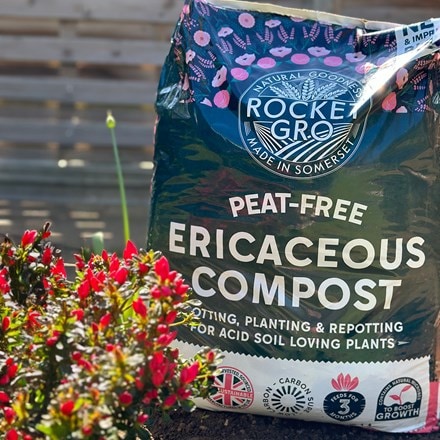
- Soil: moist but well-drained, humus-rich, acid soil (or ericaceous compost for container-grown specimens)
- Rate of growth: average
- Flowering period: January to March
- Hardiness: fully hardy
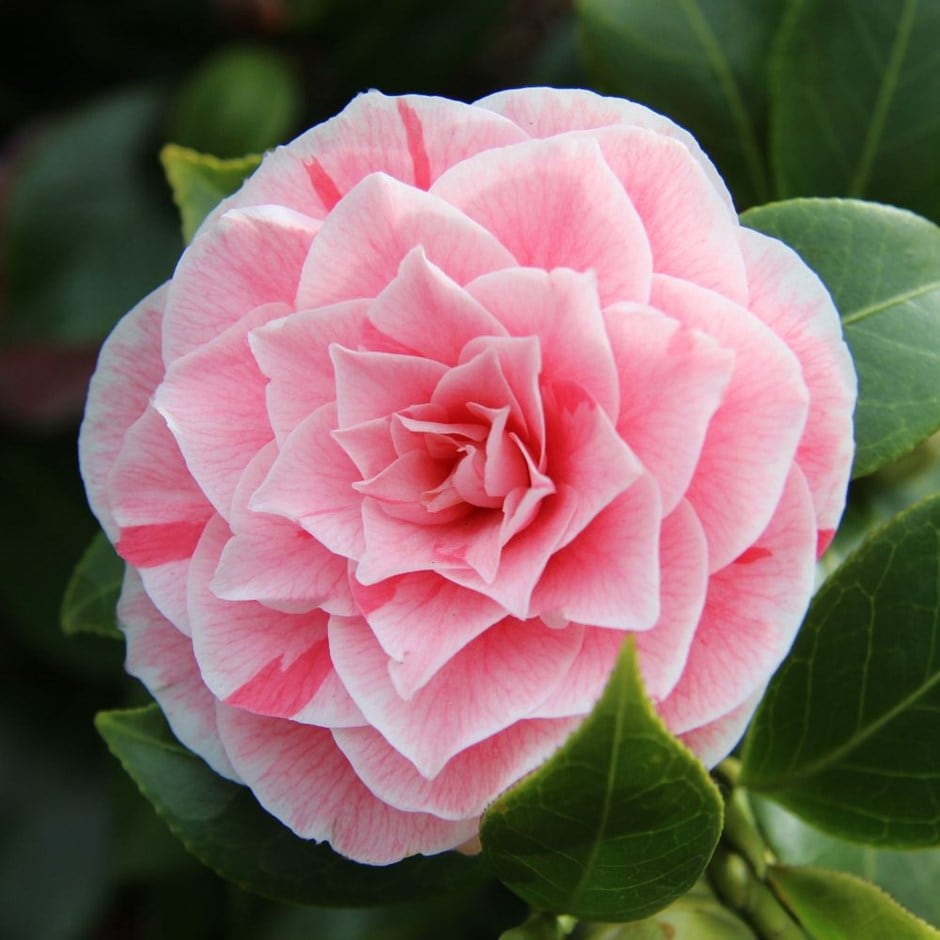
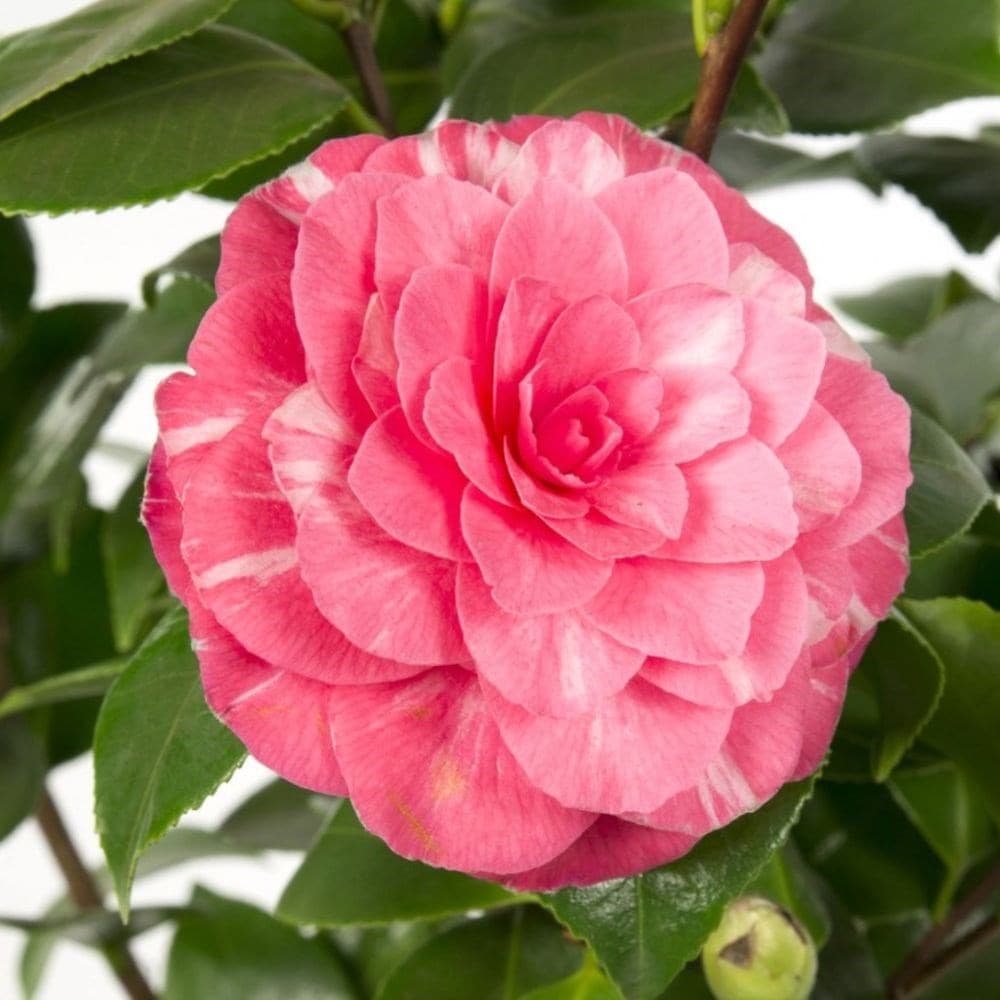
This evergreen shrub is a wonderful sight from midwinter to early spring, when its branches are laden with an abundance of formal, double blooms to 10cm across. Each one is a unique blend of blush, white and rich pink, and they are offset beautifully by the lustrous green foliage. A great addition to a partially shaded border, Camellia japonica 'Bonomiana' also makes a handsome addition to a larger pot.
Plant spring-flowering camellias in acidic, humus-rich, moisture-retentive soil with good drainage. Choose a sheltered spot in partial shade, ideally out of cold, drying winds and away from early morning sun, which can scorch flower buds.
Container-grown plants should be potted into ericaceous compost and kept well-watered, especially in dry spells, to prevent bud drop. Ensure good drainage in the pots to avoid waterlogging. Avoid allowing them to dry out in late summer, as this is when flower buds are forming for the following year.
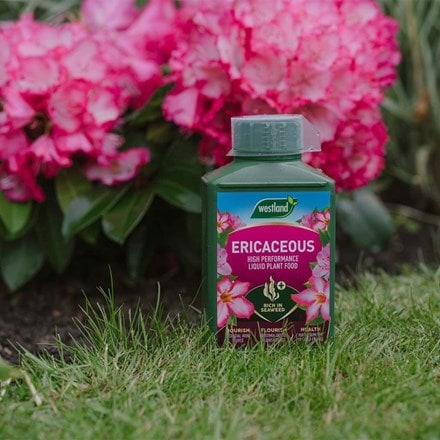
Feed established plants with a balanced liquid (and preferably ericaceous) fertiliser in mid-spring and again in June. Apply an annual top-dressing of leaf mould or shredded bark to help retain moisture and maintain soil acidity. Pruning is generally minimal — after flowering, trim lightly to remove any dead or straggly growth and to maintain a neat shape.
For container plants, insulate pots in winter with bubble wrap or hessian to protect roots from freezing temperatures.
Container-grown plants should be potted into ericaceous compost and kept well-watered, especially in dry spells, to prevent bud drop. Ensure good drainage in the pots to avoid waterlogging. Avoid allowing them to dry out in late summer, as this is when flower buds are forming for the following year.
Feed established plants with a balanced liquid (and preferably ericaceous) fertiliser in mid-spring and again in June. Apply an annual top-dressing of leaf mould or shredded bark to help retain moisture and maintain soil acidity. Pruning is generally minimal — after flowering, trim lightly to remove any dead or straggly growth and to maintain a neat shape.
For container plants, insulate pots in winter with bubble wrap or hessian to protect roots from freezing temperatures.