Eventual height & spread
Clematis 'Apple Blossom'
clematis (group 1) (syn. Clematis armandii Apple Blossom)

- 2 litre pot | 60cm cane
- £32.95
- In stock (delivery within 3-4 working days)
- 7.5 litre pot | 1.8m cane
- £129.99
- In stock (delivery within 3-4 working days)
Delivery options
- Standard £5.99
- Position: full sun
- Soil: moderately fertile, moist but well drained soil
- Rate of growth: fast
- Flowering period: March to April
- Hardiness: frost hardy (may need winter protection)
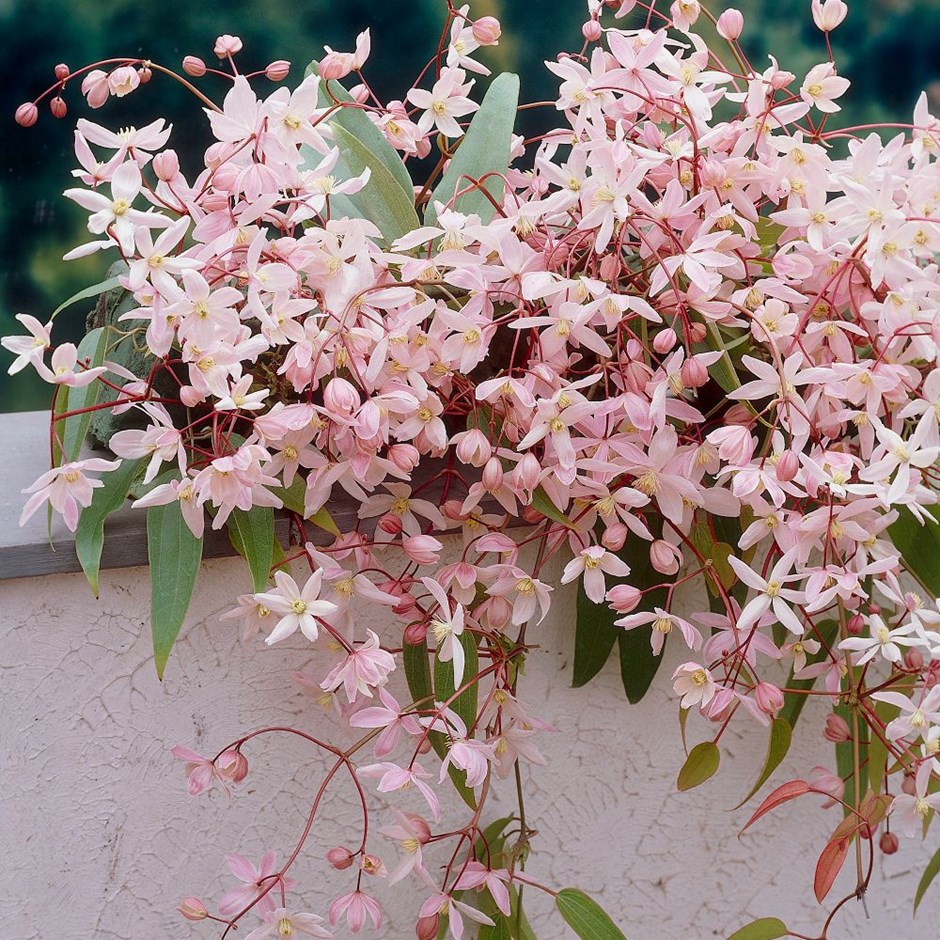
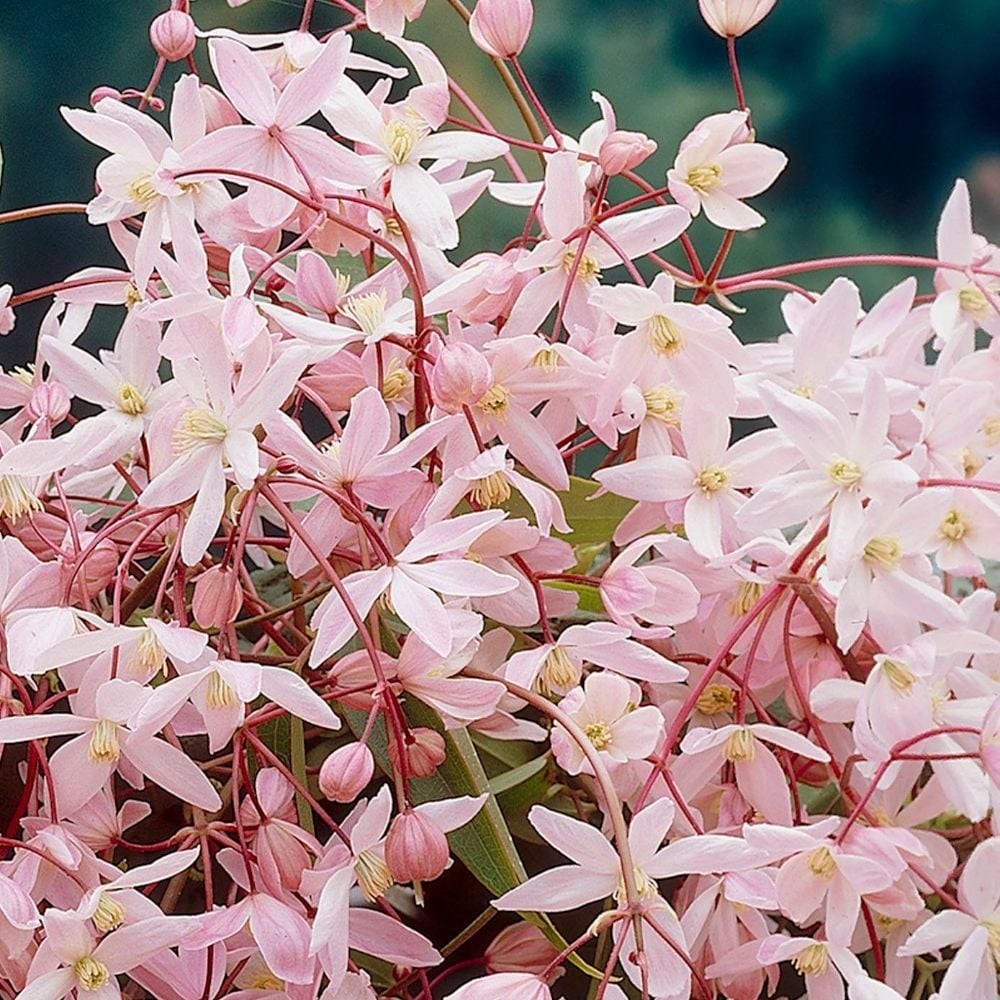
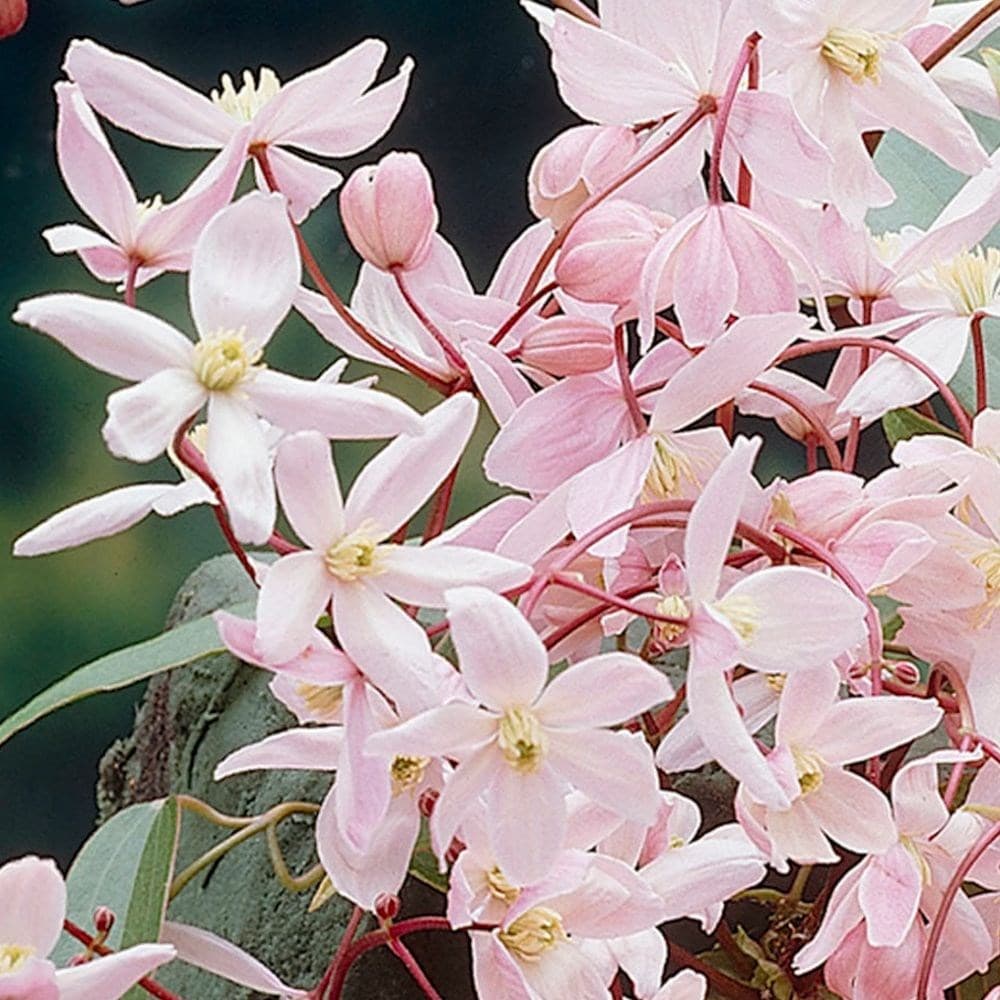
A climbing plant that brings soft colour and gentle fragrance right when the garden is waking up. Dense, evergreen foliage forms a strong framework of glossy, leathery leaves, often flushed with bronze when young, creating a rich backdrop throughout the year. Clematis 'Apple Blossom' earns its name with clusters of delicate, pink-tinted buds that open into starry, white flowers with a blush of pink, each bloom around 6cm (2½in) cross and lightly scented. Flowering from early to mid spring, it puts on a generous display just as borders begin to fill out, offering early interest when it’s most welcome.
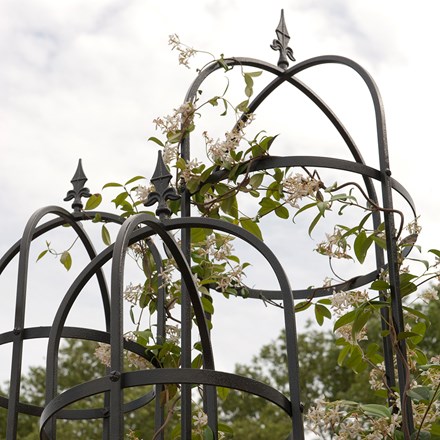
This is a vigorous climber that works beautifully trained up trellises, walls, or pergolas, where its evergreen habit can be enjoyed all year round. It performs best in a sunny, sheltered spot with well-drained soil, and benefits from having its roots shaded while the top growth reaches the light. We do not recommend this climber for use in pots due to its vigour and ultimate size.
This is a vigorous climber that works beautifully trained up trellises, walls, or pergolas, where its evergreen habit can be enjoyed all year round. It performs best in a sunny, sheltered spot with well-drained soil, and benefits from having its roots shaded while the top growth reaches the light. We do not recommend this climber for use in pots due to its vigour and ultimate size.
To avoid dry conditions, and to ensure good soil contact around the rootball, we advise planting climbers at least 30cm (12in), and preferably 45-60cm (18-24in) away from the base of a wall or fence. An even larger distance should be maintained when planting climbers beside an existing tree or shrub.
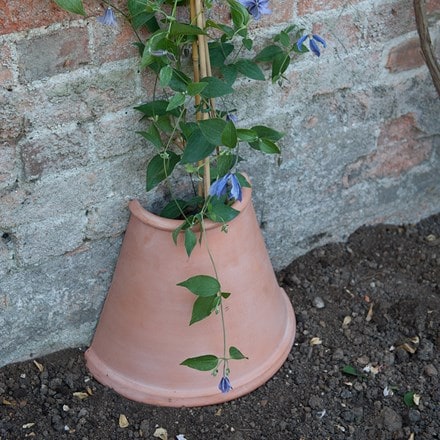
Clematis need their roots to be kept cool and moist, so plant the base of these climbers in light shade or provide shading with other plants or a dressing of pebbles.
No routine pruning is necessary. If the spread of the plant needs to be restricted prune immediately after flowering, cutting back overlong shoots to healthy buds.
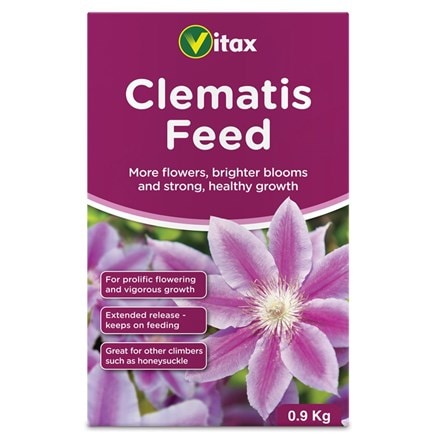
Apply a slow-release balanced fertiliser and a mulch of well-rotted garden compost around the base of the plant in early spring.
Clematis need their roots to be kept cool and moist, so plant the base of these climbers in light shade or provide shading with other plants or a dressing of pebbles.
No routine pruning is necessary. If the spread of the plant needs to be restricted prune immediately after flowering, cutting back overlong shoots to healthy buds.
Apply a slow-release balanced fertiliser and a mulch of well-rotted garden compost around the base of the plant in early spring.
- Humans: Skin irritant; Pets: Harmful if eaten
Goes well with
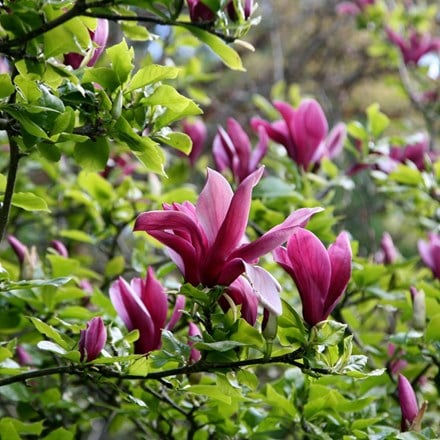
Magnolia liliiflora Nigra
2 litre pot | 30cm tall
£49.99
In stock (delivery within 3-4 working days)
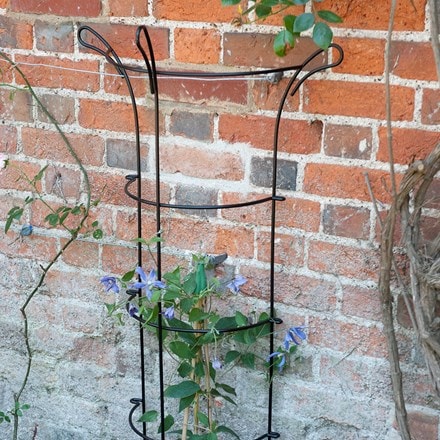
Climber wall support - dark brown
H120cm (18cm legs)
£42.99
In stock (delivery within 3-4 working days)