Hydrangea macrophylla 'Early Rosa'
hydrangea
- 14cm pot | 40cm tall
- £26.99
- In stock (delivery within 2-3 working days)
- with white pot
- £32.48
- In stock (delivery within 2-3 working days)
Delivery options
- Standard £5.99
- Position: bright, filtered light & afterwards in the garden in full sun or partial shade
- Soil: good potting compost, or outdoors in moist, well-drained, moderately fertile soil
- Rate of growth: average to fast
- Flowering period: mainly summer
- Hardiness: fully hardy
- Current height: approximately 40cm (+ or - 10% including the pot)
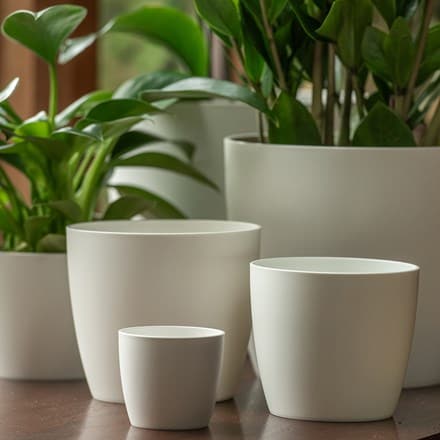
- Pot cover: choose a 16cm pot cover to give a good fit over the pot
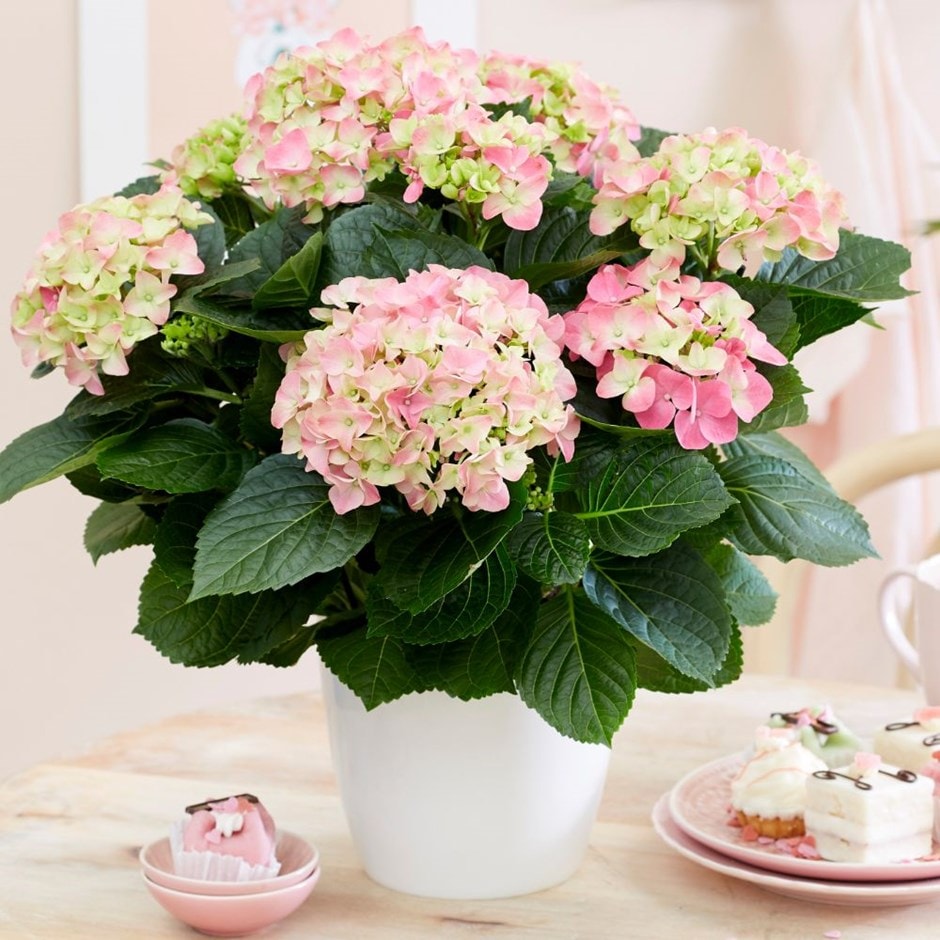
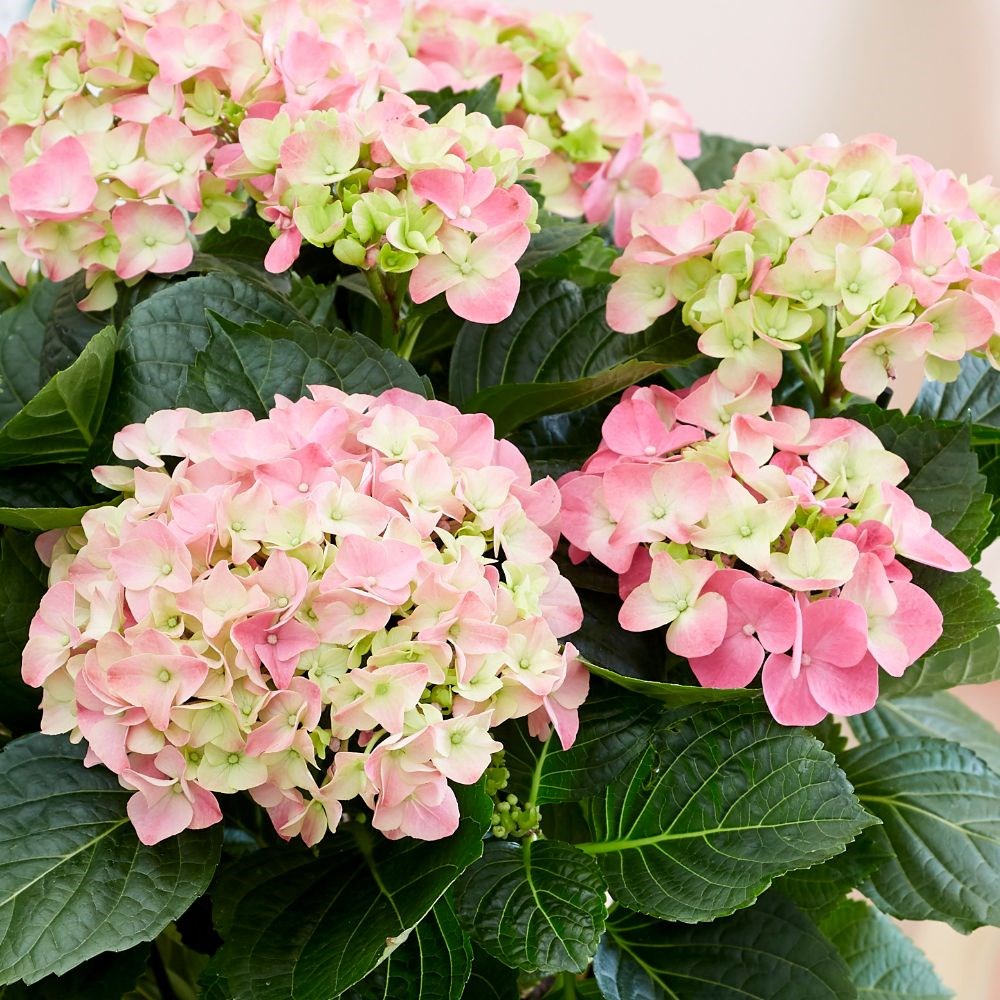
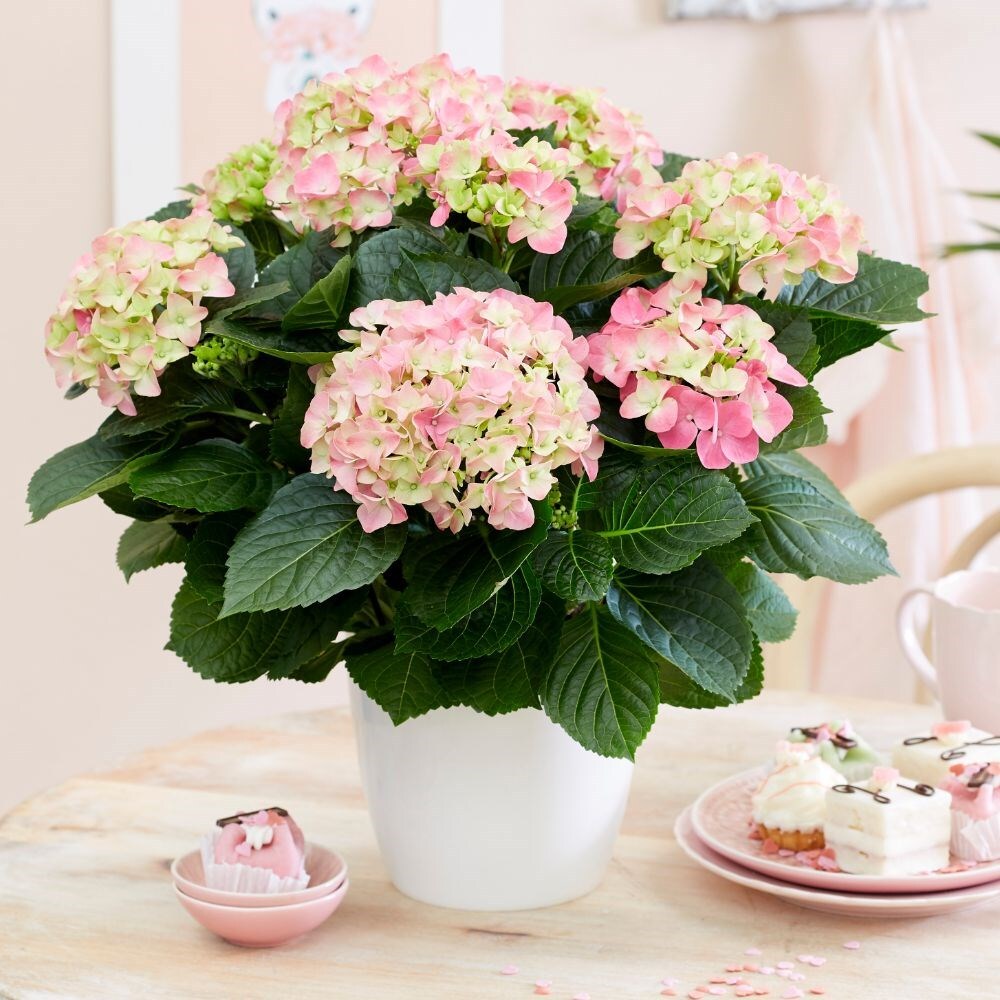
The large pink flowerheads of Hydrangea macrophylla 'Early Rosa' are really showy, and if kept well-watered, they will last much longer than a bunch of cut flowers. Then, after the flowers have faded, they can be planted outside in the garden, where they will come back year after year.
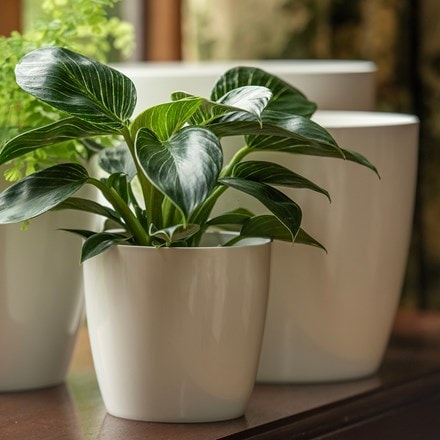
Please note that the pot in the photograph is not supplied with the plant (which is sent out in a simple nursery pot). They do however make excellent potted plants, and if you wish to pot yours up, we do have a wide range of pots on our website to choose from.
Please note that the pot in the photograph is not supplied with the plant (which is sent out in a simple nursery pot). They do however make excellent potted plants, and if you wish to pot yours up, we do have a wide range of pots on our website to choose from.
Grown for interior display, this hydrangea does best in bright, indirect light and a cool room (10–18°C or 50-65°F), kept away from radiators and direct sun. Keep the soil consistently moist, ideally using room-temperature rainwater, and maintain humidity and good drainage with a pebble tray. Feed every two weeks while flowering with a balanced liquid fertiliser to support growth. Indoors it needs only light attention, such as removing dead leaves and faded blooms, and it will look its best for around 4–8 weeks before needing to be moved outside.
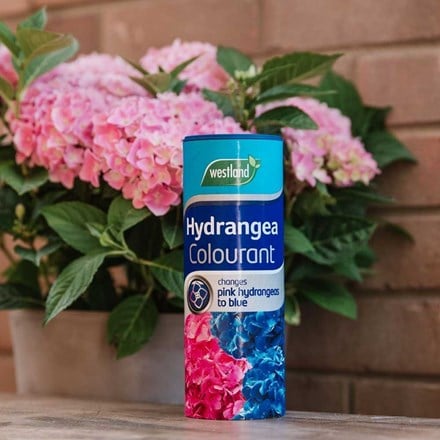
When planting it outdoors, remember that flower colour will shift to pink unless the soil is acidic. Leave old flower heads on the plant through winter for protection. Gradually acclimatise it to outdoor conditions in late spring before planting once frost has passed.
When planting it outdoors, remember that flower colour will shift to pink unless the soil is acidic. Leave old flower heads on the plant through winter for protection. Gradually acclimatise it to outdoor conditions in late spring before planting once frost has passed.
- Humans: Skin allergen; Pets: Harmful if eaten