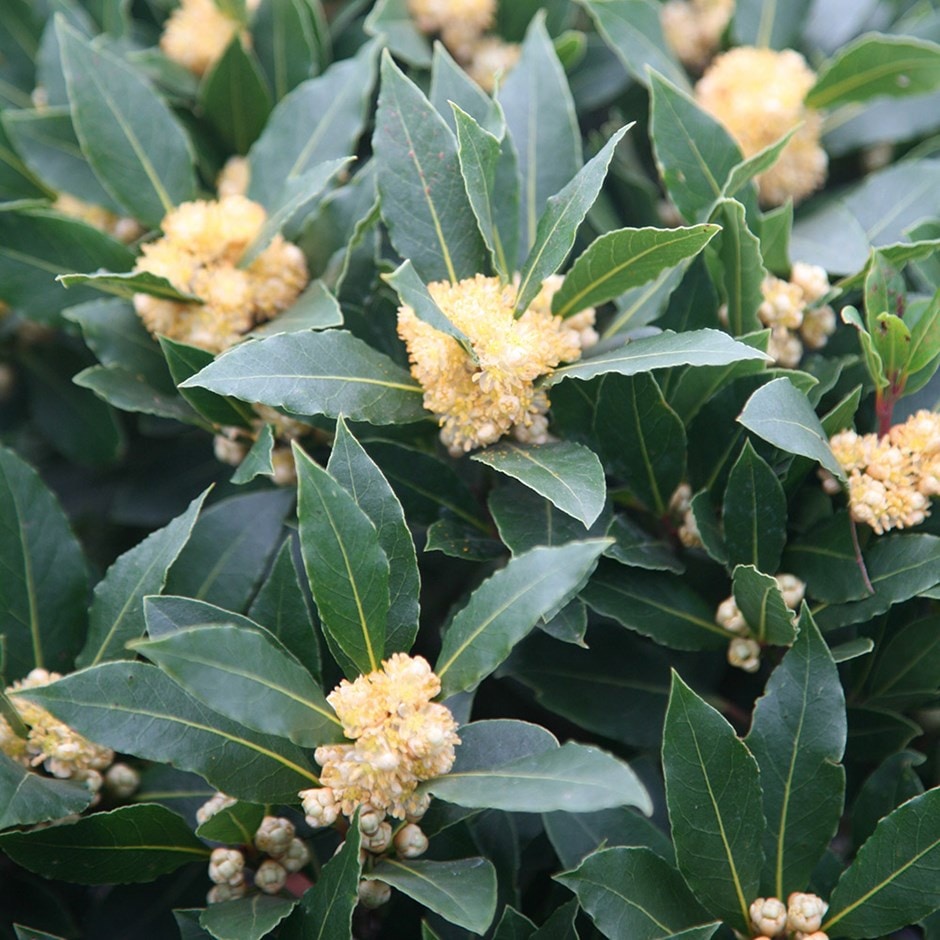
bay - kitchen laurel
kitchen bay laurel or Laurus nobilis


- 9cm pot
- £14.99
- In stock (delivery within 2-3 working days)
- 2 + 1 FREE 9cm pots
- £29.98 £9.99 each
- In stock (delivery within 2-3 working days)
- 3 litre pot | 60 - 80cm tall
- £33.99 £39.99
- available to order from spring
- 1.5 litre pot | 50cm tall
- £34.99
- available to order from spring
- 3 × 1.5 litre pots
- £79.99 £26.66 each
- available to order from spring
- 9 litre pot | 1.2 - 1.5m tall
- £99.99
- available to order from spring
Delivery options
- Standard £5.99
- Position: full sun or partial shade
- Soil: fertile, moist but well-drained soil
- Rate of growth: slow
- Flowering period: March to May
- Hardiness: frost hardy (needs winter protection in cold areas)
An evergreen that is grown for its lustrous, aromatic, dark green leaves rather than for the rather insignificant clusters of greenish-yellow flowers it bears in spring. The aromatic leaves are valuable used fresh or dried, for flavouring many savoury stocks, sauces and dishes. You could also use it with spices to add interesting depth to sweet dishes too.
This handsome versatile plant is a kitchen garden classic that will thrive in most conditions, provided it is sheltered from strong winds. At home in formal planting schemes as well as a herb pot just outside the back door it can be easily clipped into a strong shape. This slow-growing evergreen is also perfect for screening and makes a lovely foil for deciduous flowering shrubs.
These plants are supplied as untrained bushes, although they can be trained into most shapes, such as balls or pyramids. You will need some patience to train them into topiary shapes though as they are quite slow-growing.
This handsome versatile plant is a kitchen garden classic that will thrive in most conditions, provided it is sheltered from strong winds. At home in formal planting schemes as well as a herb pot just outside the back door it can be easily clipped into a strong shape. This slow-growing evergreen is also perfect for screening and makes a lovely foil for deciduous flowering shrubs.
These plants are supplied as untrained bushes, although they can be trained into most shapes, such as balls or pyramids. You will need some patience to train them into topiary shapes though as they are quite slow-growing.
Bay laurel grows well in the ground or in pots and is ideal for sunny or lightly shaded, sheltered spots, patios or south-facing aspects. In containers, use a loam-based compost like John Innes No.2 with added grit for good drainage; in the ground, plant into well-drained soil that’s neutral to slightly alkaline. Water regularly while the plant is establishing and during dry spells, especially for pot-grown plants, and feed in spring with a balanced slow-release fertiliser to support healthy growth.
For topiary and shape, lightly clip established plants in midsummer and again in late summer, using sharp secateurs rather than shears to minimise damage to the leaves. Harvest mature leaves as needed throughout the year—fresh or dried, they keep their flavour well. In winter, protect container-grown bay from frost by moving it to a sheltered position or insulating the pot/plant in situ with horticultural fleece.
For topiary and shape, lightly clip established plants in midsummer and again in late summer, using sharp secateurs rather than shears to minimise damage to the leaves. Harvest mature leaves as needed throughout the year—fresh or dried, they keep their flavour well. In winter, protect container-grown bay from frost by moving it to a sheltered position or insulating the pot/plant in situ with horticultural fleece.
- Humans/Pets: Fruit are ornamental - not to be eaten
Goes well with
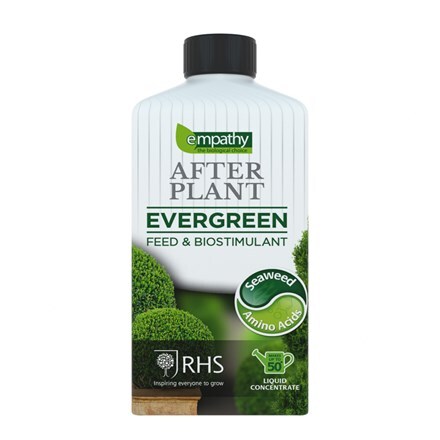
Empathy RHS liquid after plant evergreen feed & biostimulant
1 litre
£8.49
In stock (delivery within 2-3 working days)
