Viburnum plicatum f. tomentosum Kilimanjaro Sunrise ('Jww5') (PBR)
RHS Chelsea Flower Show Plant of the Year 2015
Eventual height & spread
Viburnum plicatum f. tomentosum Kilimanjaro Sunrise ('Jww5') (PBR)
RHS Chelsea Flower Show Plant of the Year 2015

- 2 litre pot
- £39.99
- In stock (delivery within 2-3 working days)
- 3 × 2 litre pots
- £99.99 £33.33 each
- In stock (delivery within 2-3 working days)
- 12 litre pot | 80 - 100cm tall
- £99.99
- In stock (delivery within 2-3 working days)
Delivery options
- Standard £5.99
- Position: full sun or partial shade
- Soil: moderately fertile, moist, well-drained soil
- Rate of growth: average
- Flowering period: May to June
- Hardiness: fully hardy
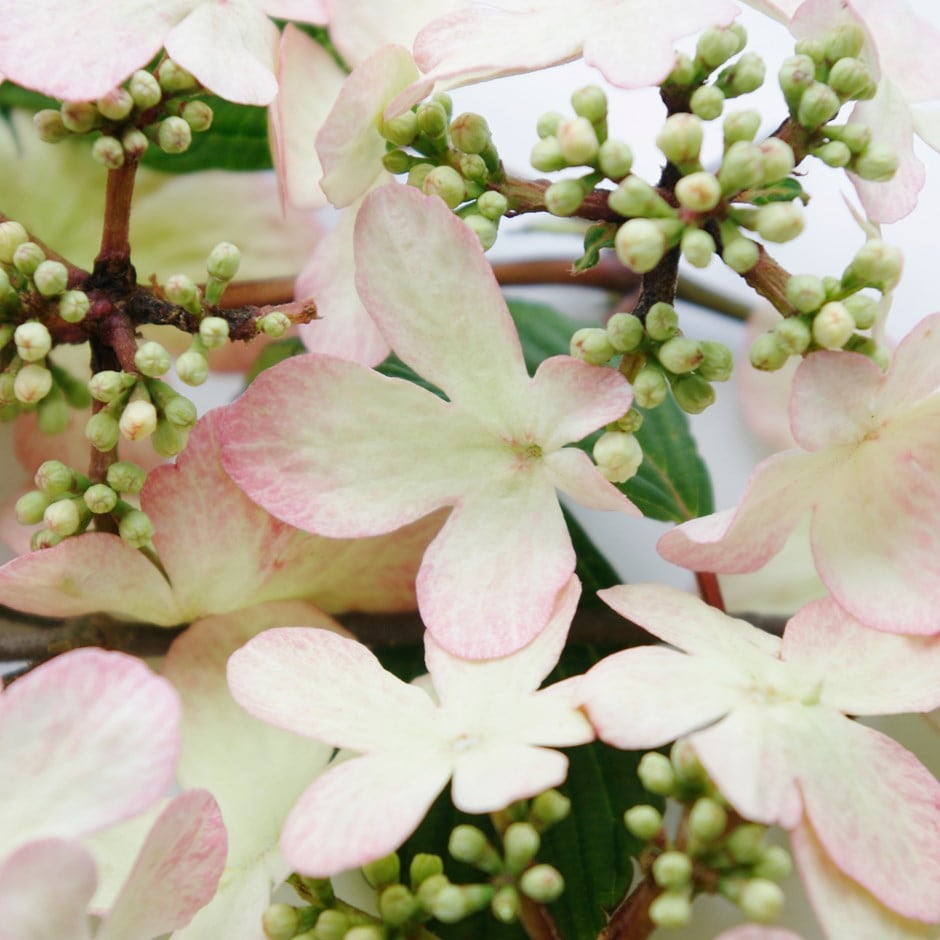
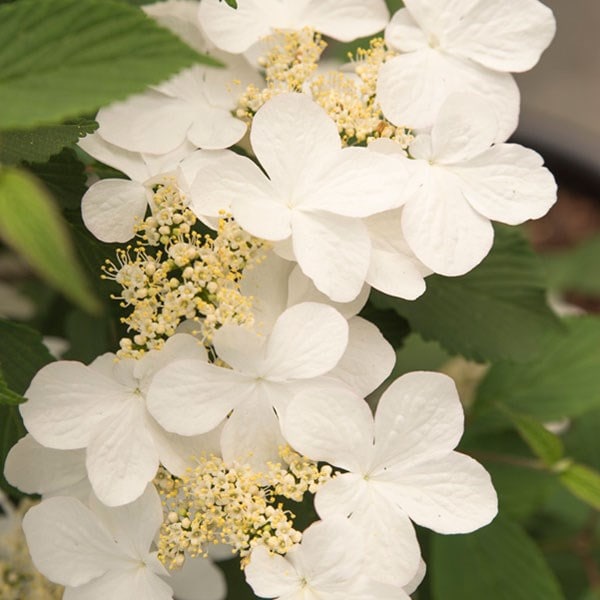
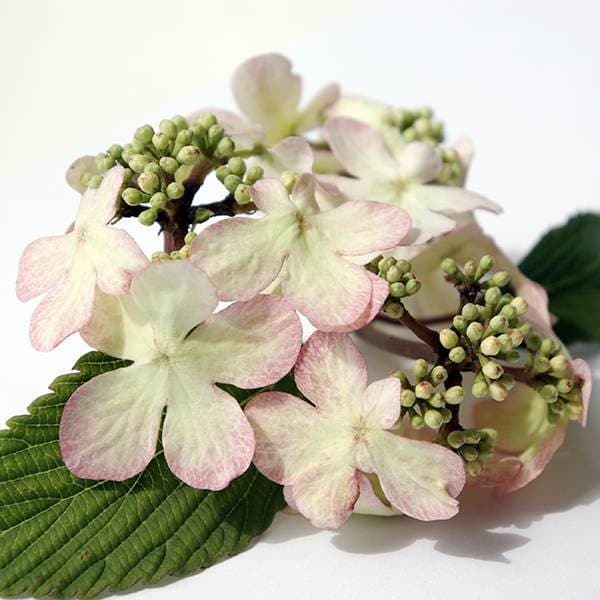
Very pretty, white flushed pink lacecap-like flowers appear on the tiered branches of this conical, deciduous shrub in early summer. Multi-stemmed, but more upright in habit than the species, Viburnum plicatum f. tomentosum Kilimanjaro Sunrise is perfect for the shrub border where space is at a premium. In autumn the leaves will take on good fiery colours before they fall providing another season of interest.
Plant cultivated varieties of Viburnum plicatum in sun or light shade with moist, well-drained, fertile soil, adding some garden compost at planting to help with soil structure and fertility. Water regularly through the first year and during dry spells so the roots establish well.
Give it a 5-7cm (2-3in) mulch each spring to hold in moisture and keep the soil in good condition. Pruning is minimal when young, and once it has formed its tiered shape, remove any vertical or awkward shoots after flowering to keep the layers neat. Trim out any damaged or crossing branches when needed and keep the area around the base weed-free so the plant can grow evenly.
Give it a 5-7cm (2-3in) mulch each spring to hold in moisture and keep the soil in good condition. Pruning is minimal when young, and once it has formed its tiered shape, remove any vertical or awkward shoots after flowering to keep the layers neat. Trim out any damaged or crossing branches when needed and keep the area around the base weed-free so the plant can grow evenly.
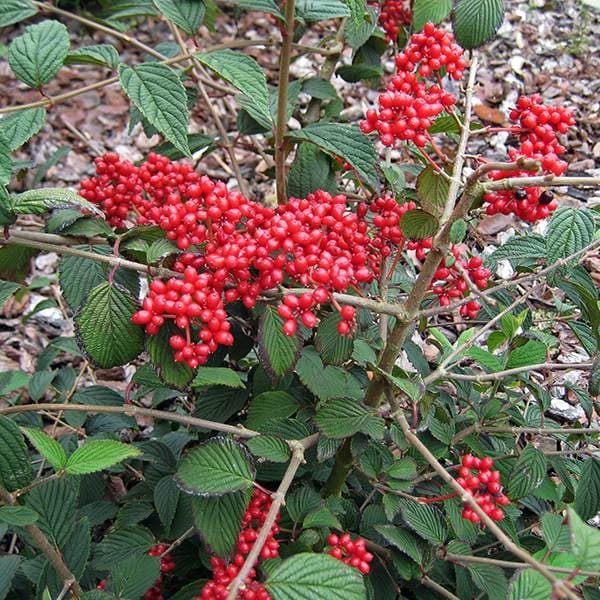
- Humans/Pets: Fruit are ornamental - not to be eaten