Trillium luteum
birthroot bulbs

- 1 × rhizome
- £9.99
- available to order from summer
- 3 × rhizomes
- £27.00 £9.00 each
- available to order from summer
Delivery options
- Bulbs (only) £4.99
- Position: deep or partial shade
- Soil: humus-rich, moist, well-drained soil
- Rate of growth: average
- Flowering period: April
- Hardiness: fully hardy
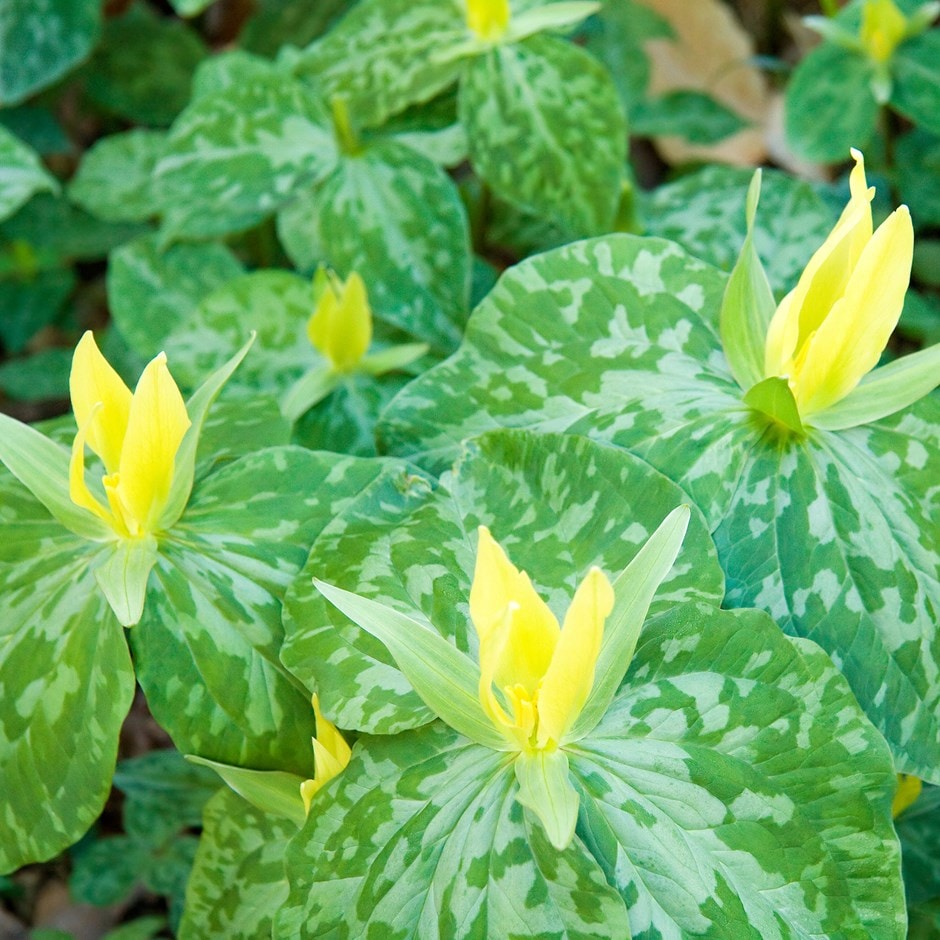
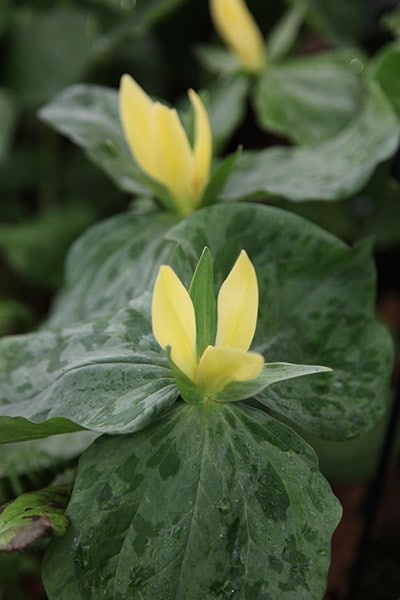
These spring-flowering plants are sought after for their attractively mottled foliage and long-lasting, lemon-scented flowers, which are framed by a set of three slender sepals. They make a welcome sight when allowed to spread naturally in a woodland setting, or when dotted through the front of a partially shaded border.
These plants are quite hard to grow, and they will usually take some time to become well-established. Therefore, they are better suited to either patient or more experienced gardeners.
These plants are quite hard to grow, and they will usually take some time to become well-established. Therefore, they are better suited to either patient or more experienced gardeners.
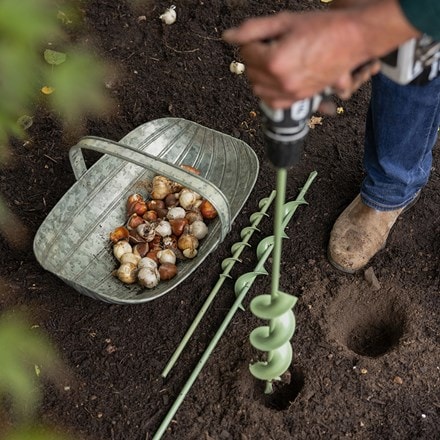
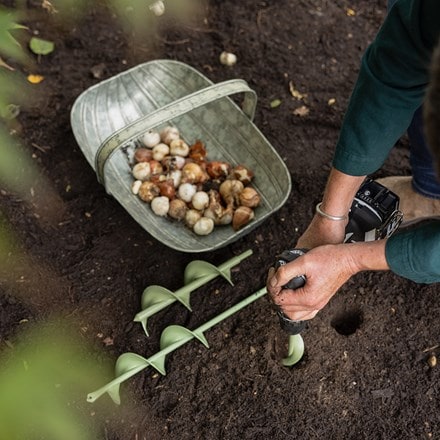
Plant rhizomes 5cm (2in) deep and 5cm (2in) apart in autumn, ideally in a part-shade, sheltered spot with rich, humus-rich, well-drained soil. Once planted, they should be left largely undisturbed to establish and gradually spread over the years.
Apply a generous autumn mulch of leaf mould or well-rotted compost to protect the rhizomes over winter and help retain moisture. Keep the soil consistently moist but not waterlogged during the growing season, and remove any weeds carefully to avoid disturbing the shallow roots.
Once established, the plants require only modest maintenance, and cutting back old foliage in late autumn or early winter keeps the bed tidy without harming the rhizomes.
Apply a generous autumn mulch of leaf mould or well-rotted compost to protect the rhizomes over winter and help retain moisture. Keep the soil consistently moist but not waterlogged during the growing season, and remove any weeds carefully to avoid disturbing the shallow roots.
Once established, the plants require only modest maintenance, and cutting back old foliage in late autumn or early winter keeps the bed tidy without harming the rhizomes.
- Humans/Pets: Ornamental bulbs - not to be eaten