
Dianthus barbatus 'Hollandia Purple Crown'
sweet william


- approx 30 seeds
- £3.99
- available to order from spring
Delivery options
- Seed Packets (only) £2.99
- Position: full sun to partial shade
- Soil: moderately fertile, moist but well-drained soil, or general purpose potting compost for containers
- Rate of growth: average to fast
- Flowering period: June to August
- Hardiness: fully hardy
Rich clusters of vibrant and ivory bicoloured purple to burgundy flowers bring striking colour and a long flowering season to beds, borders, and cutting gardens. The blooms carry a light, sweet fragrance and are known for their exceptional vase life, lasting up to a month when cut.
Dianthus barbatus 'Hollandia Purple Crown' is a versatile Sweet William that can be grown as a biennial, short-lived perennial, or treated as an annual for first-year flowers. It thrives in neutral to alkaline soils and performs well in sunny positions, producing reliable displays year after year.
Ideal for cottage-style planting, mixed borders, or cut flower arrangements, this cultivated variety offers both ornamental value in the garden and practical use for floral displays.
Dianthus barbatus 'Hollandia Purple Crown' is a versatile Sweet William that can be grown as a biennial, short-lived perennial, or treated as an annual for first-year flowers. It thrives in neutral to alkaline soils and performs well in sunny positions, producing reliable displays year after year.
Ideal for cottage-style planting, mixed borders, or cut flower arrangements, this cultivated variety offers both ornamental value in the garden and practical use for floral displays.
Sweet Williams grow best in well-drained, neutral to alkaline soil in a sunny, open position with good air circulation. For pots or containers, use a good-quality peat-free multi-purpose compost mixed with a little grit to improve drainage. They dislike heavy, waterlogged ground, so choose an open, free-draining site for best results.
Once plants are established, apply a mulch to help retain soil moisture and suppress weeds in plants that are in border settings. Water during dry spells, especially in free-draining soils or containers. Feed with a balanced liquid fertiliser every 4-6 weeks through the growing season to encourage strong growth and plenty of blooms.
Cut flowers regularly for the vase, as this encourages more stems to develop, or deadhead spent blooms to prolong flowering. In colder areas, protect young plants over winter with a light mulch or fleece.
Once plants are established, apply a mulch to help retain soil moisture and suppress weeds in plants that are in border settings. Water during dry spells, especially in free-draining soils or containers. Feed with a balanced liquid fertiliser every 4-6 weeks through the growing season to encourage strong growth and plenty of blooms.
Cut flowers regularly for the vase, as this encourages more stems to develop, or deadhead spent blooms to prolong flowering. In colder areas, protect young plants over winter with a light mulch or fleece.
Sow from February to May under cover for flowers in the first year, providing vibrant cottage garden displays ideal for borders and cutting. For blooms the following summer, sow outdoors in July in a prepared seedbed or directly into well-drained soil. Seeds should be sown very shallow — about 2mm deep, just covered with a dusting or fine layer of soil or vermiculite. They need light for good germination, so avoid burying them too deeply.
Sow in trays, modules, or pots and place in a cold frame or unheated greenhouse. Keep compost just moist until germination. Transplant seedlings when large enough to handle, spacing them well, and grow on before planting into final positions in early autumn or the following spring.
Sow in trays, modules, or pots and place in a cold frame or unheated greenhouse. Keep compost just moist until germination. Transplant seedlings when large enough to handle, spacing them well, and grow on before planting into final positions in early autumn or the following spring.
- Humans/Pets: Skin allergen
Goes well with
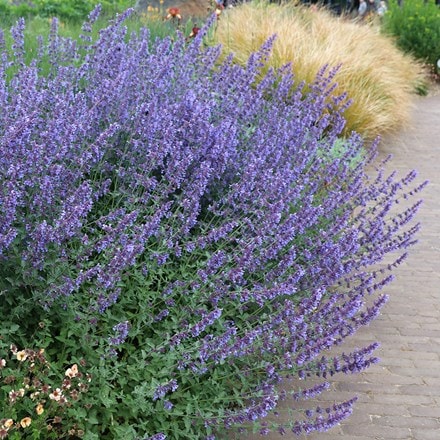
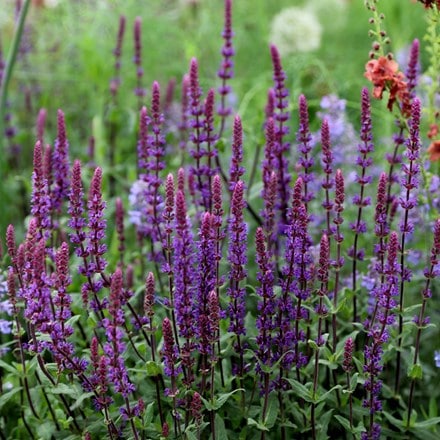
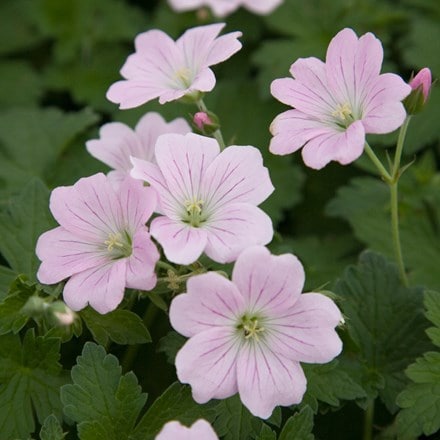
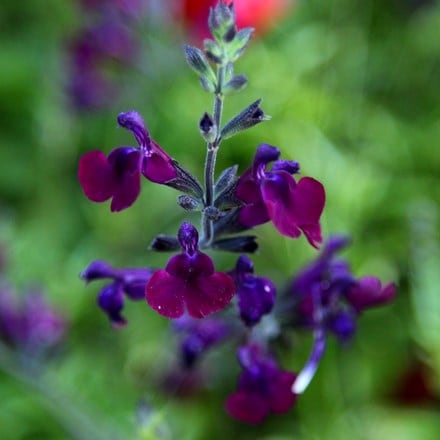
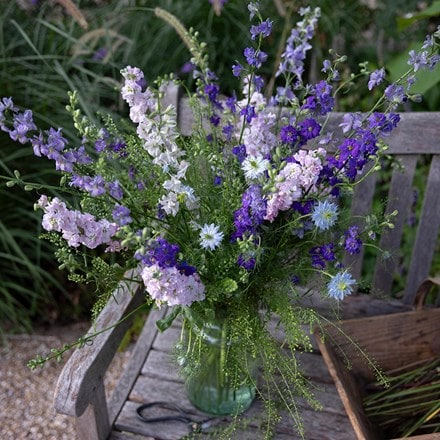
Cottage garden cutting garden collection
1 × collection
£16.51
In stock (shipped within 2-3 working days)