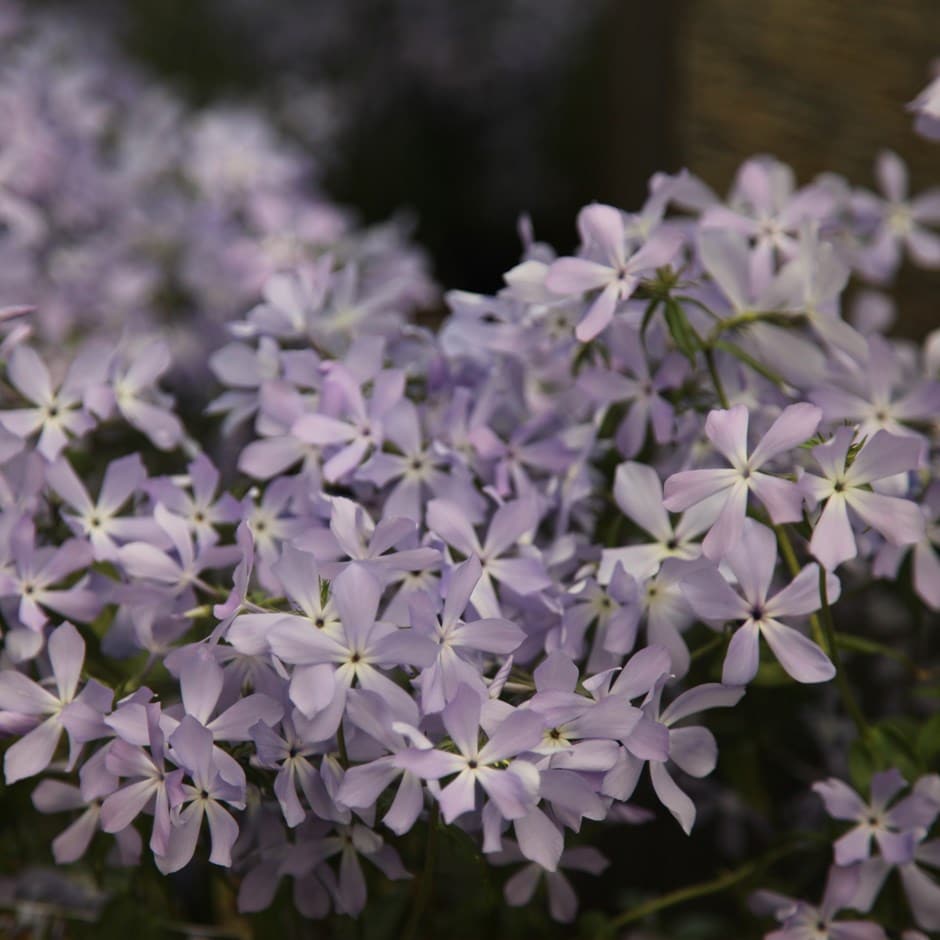
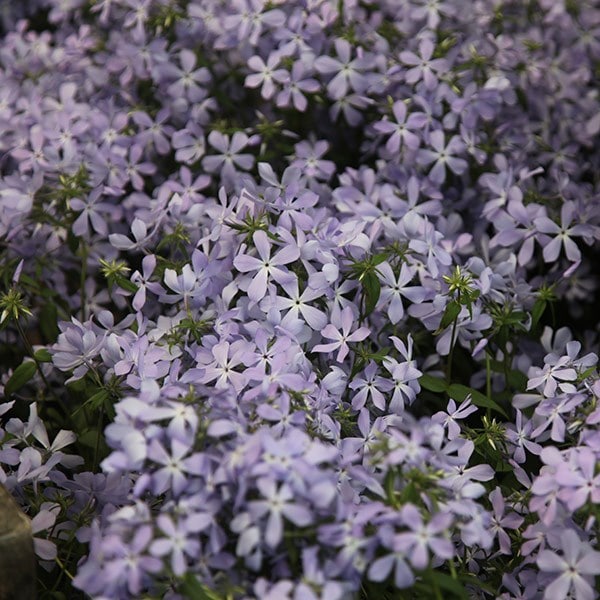
Phlox divaricata 'Clouds of Perfume'
perennial phlox
- 9cm pot
- £8.99
- In stock (delivery within 2-3 working days)
- 3 × 9cm pots
- £19.99 £6.66 each
- In stock (delivery within 2-3 working days)
- 6 × 9cm pots
- £37.99 £6.33 each
- In stock (delivery within 2-3 working days)
- 2 litre pot
- £17.99
- available to order from spring
- 3 × 2 litre pots
- £44.99 £15.00 each
- available to order from spring
Delivery options
- Standard £5.99
- Position: partial shade
- Soil: humus-rich, fertile, moist, well-drained soil
- Rate of growth: average
- Flowering period: June to July
- Hardiness: fully hardy
Masses of small, ice-blue, fragrant flowers appear in June and July above the hairy, bright green leaves of this spreading, semi-evergreen phlox. Ideal for woodland gardens and cottage style schemes where they have protection from sun during the hottest part of the day. To make the most of their heady scent, plant Phlox divaricata 'Clouds of Perfume' near an entranceway or frequently used path.
Thrives in any fertile, humus rich, moist soil in full sun or part shade. Plants will benefit from good air circulation and from watering in extended dry spells. Water at the base if necessary, rather than over the leaves to avoid issues with mildew.
Support with bamboo canes, brushwood or ring stakes in exposed areas before the flowers appear. Phlox are greedy plants, so apply a mulch 5-7cm (2-3in) deep of well-rotted garden compost or manure in early spring. Deadhead spent flowers to prevent reseeding.
If the leaves show signs of powdery mildew, cut down to the ground and dispose of the affected foliage, but do not compost it. Clear away the debris around the plant to reduce the chances of reinfection. Cut down to the ground in autumn, and lift and divide large clumps in autumn or spring.
Support with bamboo canes, brushwood or ring stakes in exposed areas before the flowers appear. Phlox are greedy plants, so apply a mulch 5-7cm (2-3in) deep of well-rotted garden compost or manure in early spring. Deadhead spent flowers to prevent reseeding.
If the leaves show signs of powdery mildew, cut down to the ground and dispose of the affected foliage, but do not compost it. Clear away the debris around the plant to reduce the chances of reinfection. Cut down to the ground in autumn, and lift and divide large clumps in autumn or spring.