sage common (organic)
Salvia officinalis

- 9cm pot
- £7.99
- In stock (delivery within 2-3 working days)
- 2 + 1 FREE 9cm pots
- £15.98 £5.33 each
- In stock (delivery within 2-3 working days)
- approx 35 seeds
- £2.79
- In stock (delivery within 2-3 working days)
Delivery options
- Standard £5.99
- Position: full sun or partial shade
- Soil: moderately fertile, moist, well-drained soil
- Rate of growth: average to fast ,/li>
- Flowering period: May to July
- Hardiness: fully hardy
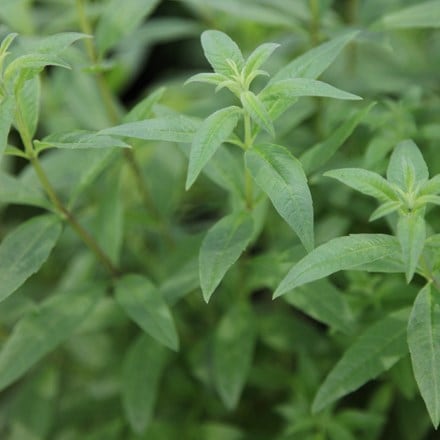
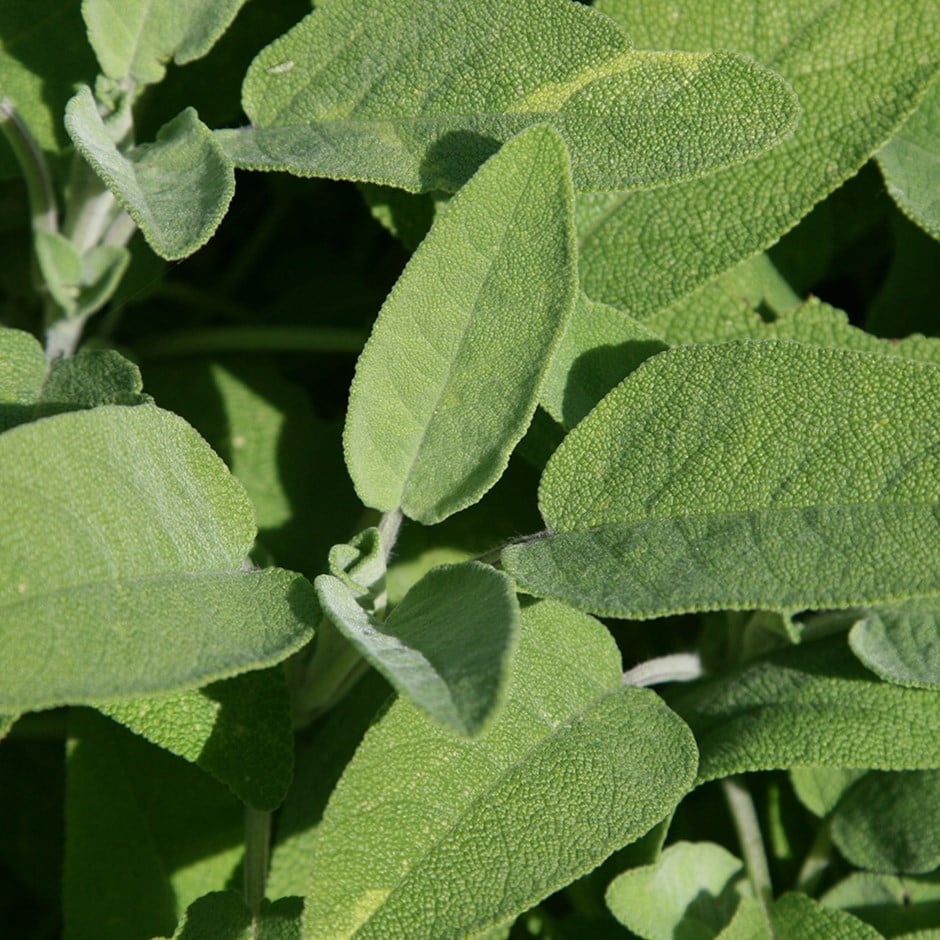
The handsome and highly aromatic leaves of this decorative perennial can be used to enhance the flavour of savoury dishes - and will make sublime stuffings. The lilac-bue flowers of Salvia officinalis are edible too and can be used dress salads or icy drinks.
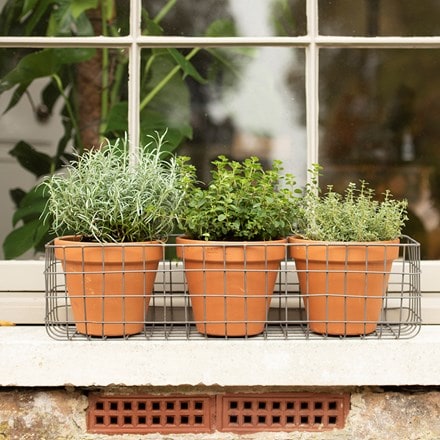
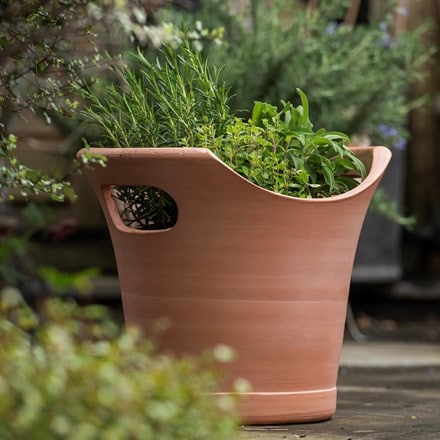
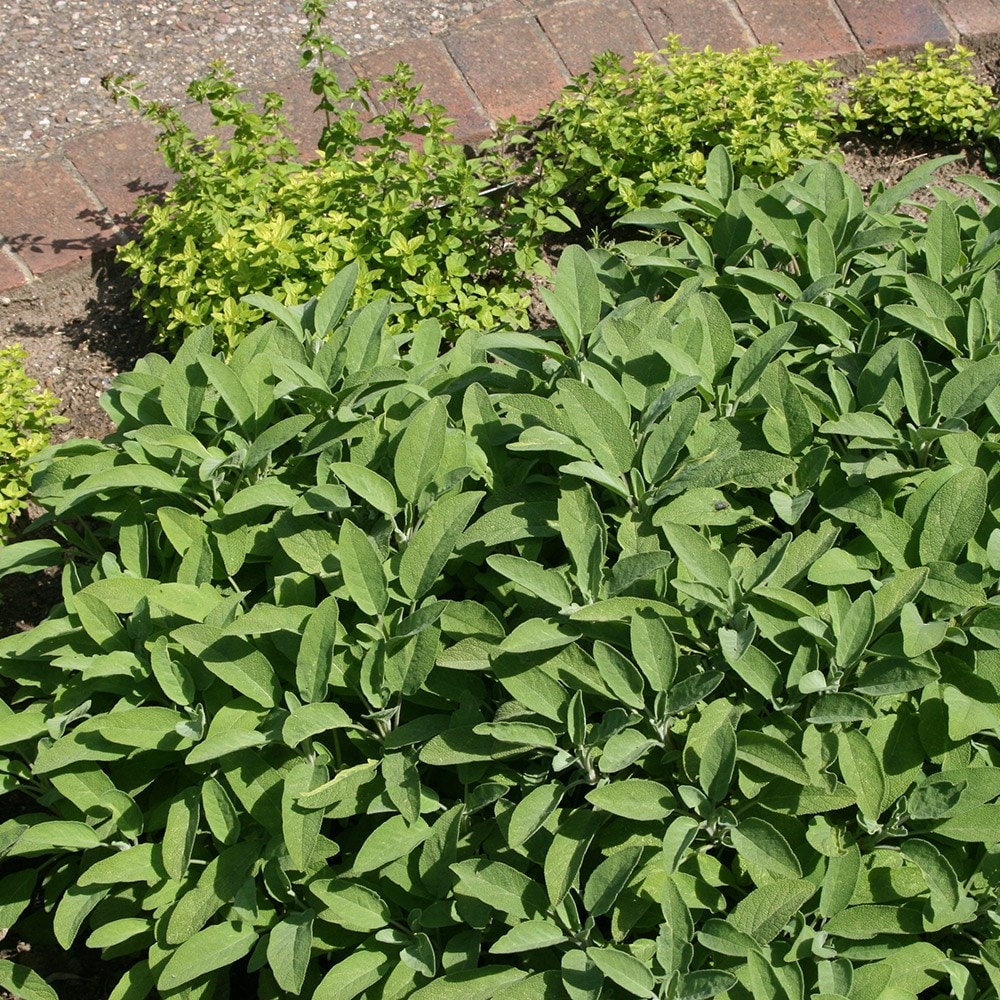
Decorative as well as practical, sage makes a handsome addition to the front of the border (or a pot), where the flowers attract bees and other beneficial insects.
Decorative as well as practical, sage makes a handsome addition to the front of the border (or a pot), where the flowers attract bees and other beneficial insects.
Plant decorative, edible sages in a sunny, sheltered position with well-drained soil, adding a little grit if the ground is heavy as sage dislikes sitting wet in winter. Alternatively, grow in a pot with gritty compost to ensure good drainage. Set the plant at the same depth as in the pot, water to settle it in, and avoid overwatering once established as it prefers drier conditions.
Gather leaves regularly to encourage fresh growth, and prune lightly in July after flowering to keep the plant compact and productive. Pick leaves before flowering if you plan to dry them for winter use. In colder regions place grit around the base to improve drainage and avoid cutting the plant back hard in autumn, as older wood can struggle to reshoot.
Gather leaves regularly to encourage fresh growth, and prune lightly in July after flowering to keep the plant compact and productive. Pick leaves before flowering if you plan to dry them for winter use. In colder regions place grit around the base to improve drainage and avoid cutting the plant back hard in autumn, as older wood can struggle to reshoot.
Surface-sow under glass from mid- to late spring, or wait until after all the worst frosts have passed and sow in a sunny spot outside into well-prepared, freely draining soil. Those grown in pots can be potted on when they are large enough to handle and gradually acclimatised before planting out at 45cm (18in) intervals after all risk of frost has passed.
Sow: March to May