Eventual height & spread
rosemary Salvia rosmarinus 'Majorca Pink'
rosemary ( syn. Rosmarinus officinalis Majorca Pink)

- 2 litre pot
- £22.99
- available to order from spring
Delivery options
- Standard £5.99
- Position: full sun
- Soil: well-drained soil
- Soil: moderately fertile, moist, well-drained soil, or good quality loam-based compost for pots
- Rate of growth: average
- Flowering period: April to June
- Hardiness: frost hardy (may need winter protection)
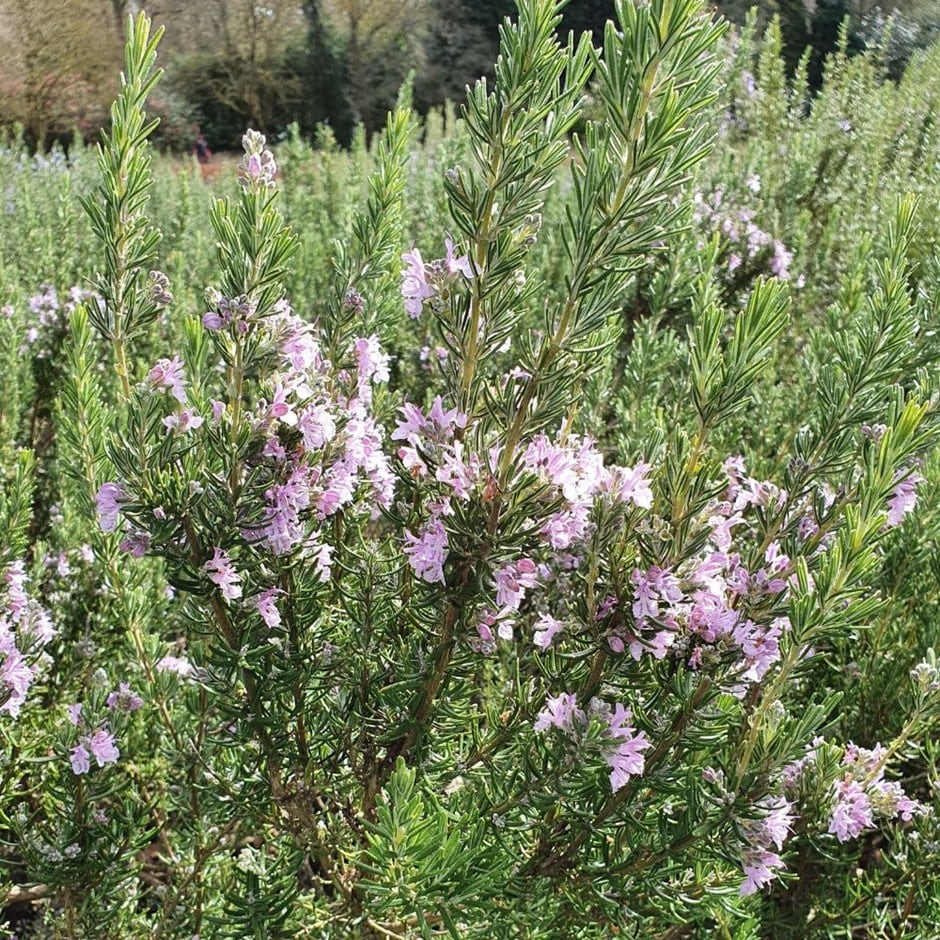
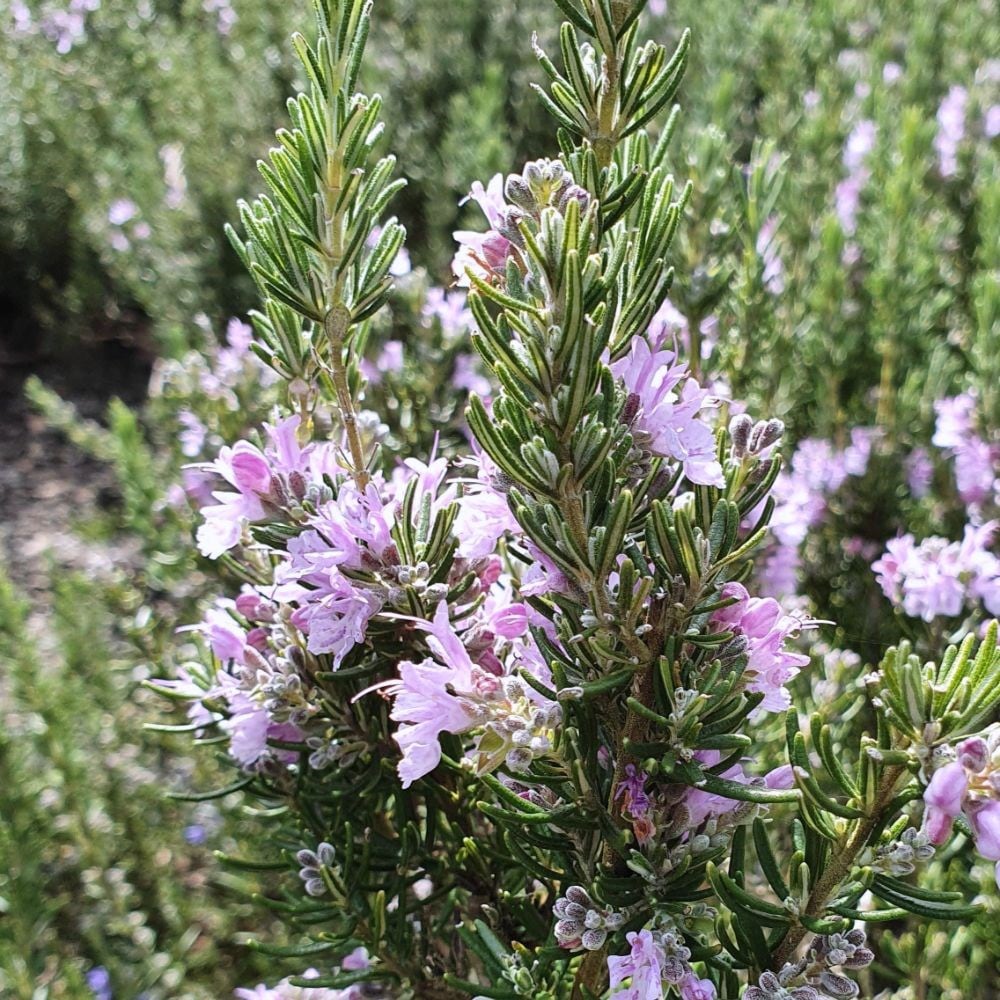
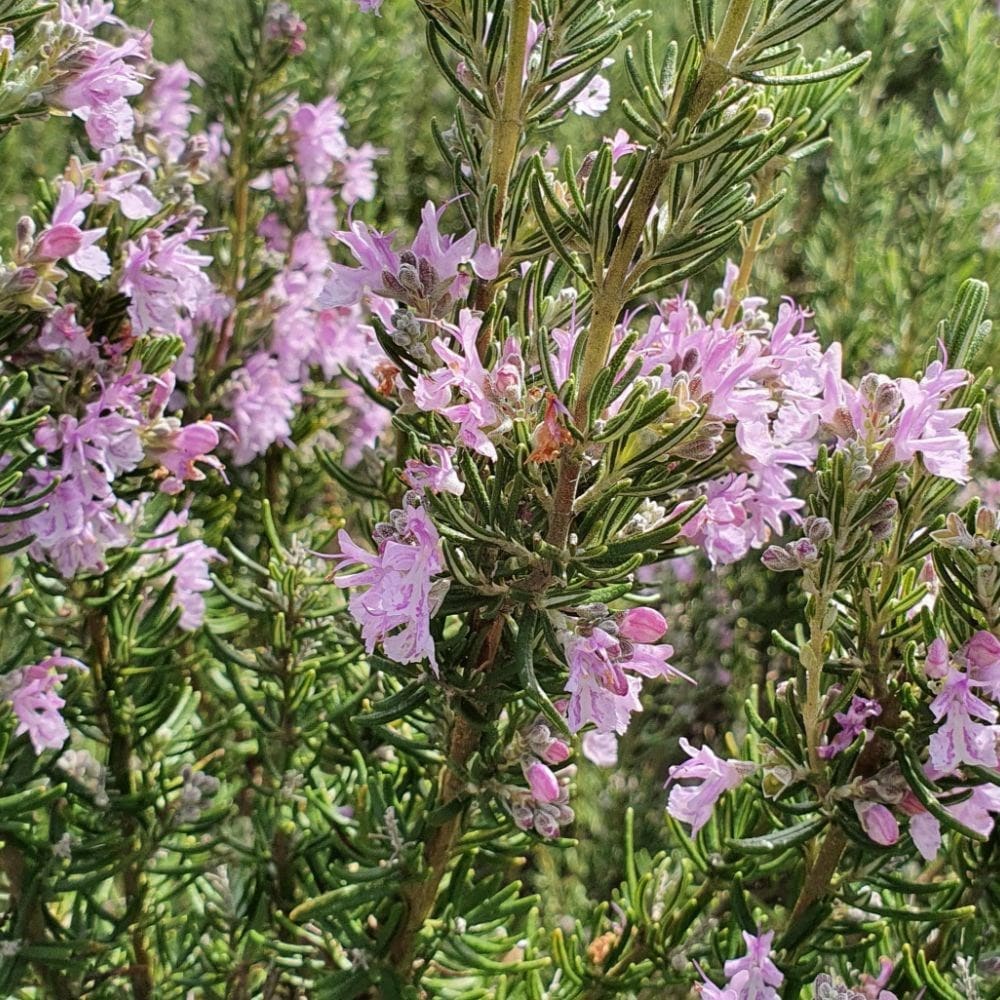
A low-growing, spreading form of common rosemary, this sends out upright spikes of purple-blue flowers from mid-spring to early summer, among narrow, aromatic, dark green leaves.
Salvia rosmarinus 'Majorca Pink' is useful as an edging plant for a sunny herb garden or mixed border. While winter frosts may kill off some of the shoots the plant should regenerate from the base. The young leaves are great for flavouring roasted vegetables, lamb and pork.
Salvia rosmarinus 'Majorca Pink' is useful as an edging plant for a sunny herb garden or mixed border. While winter frosts may kill off some of the shoots the plant should regenerate from the base. The young leaves are great for flavouring roasted vegetables, lamb and pork.
Select a sunny spot with well-drained soil, as rosemary thrives in warm, dry conditions once established. Space plants 45-60cm (1.5-2ft) apart to allow for their natural spread, or 30cm (12in) apart if you’re creating a hedge.
To maintain a bushy, compact shape, tip-prune the stems regularly, removing just the soft new growth. However, be cautious not to cut back into the old, woody stems, as rosemary struggles to regenerate from hard pruning.
For best results (and to offer some cold weather protection for the roots), mulch around the base of the plant with well-rotted compost, keeping the mulch away from the stems to prevent rot.
To maintain a bushy, compact shape, tip-prune the stems regularly, removing just the soft new growth. However, be cautious not to cut back into the old, woody stems, as rosemary struggles to regenerate from hard pruning.
For best results (and to offer some cold weather protection for the roots), mulch around the base of the plant with well-rotted compost, keeping the mulch away from the stems to prevent rot.
- Humans: Skin allergen