Stachyurus chinensis 'Celina'
Chinese stachyurus


- 3 litre pot
- £29.99
- In stock (shipped within 2-3 working days)
Delivery options
- Standard £5.99
- Position: full sun or partial shade
- Soil: moist but well-drained, acidic soil
- Rate of growth: average
- Flowering period: February to April
- Hardiness: fully hardy
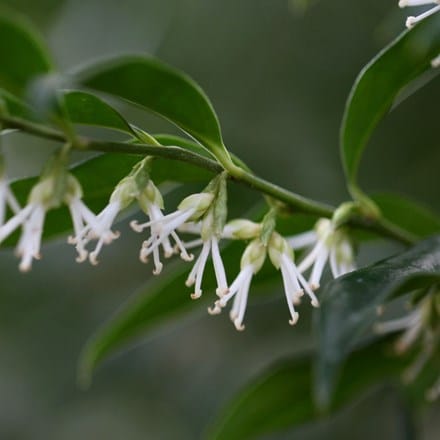
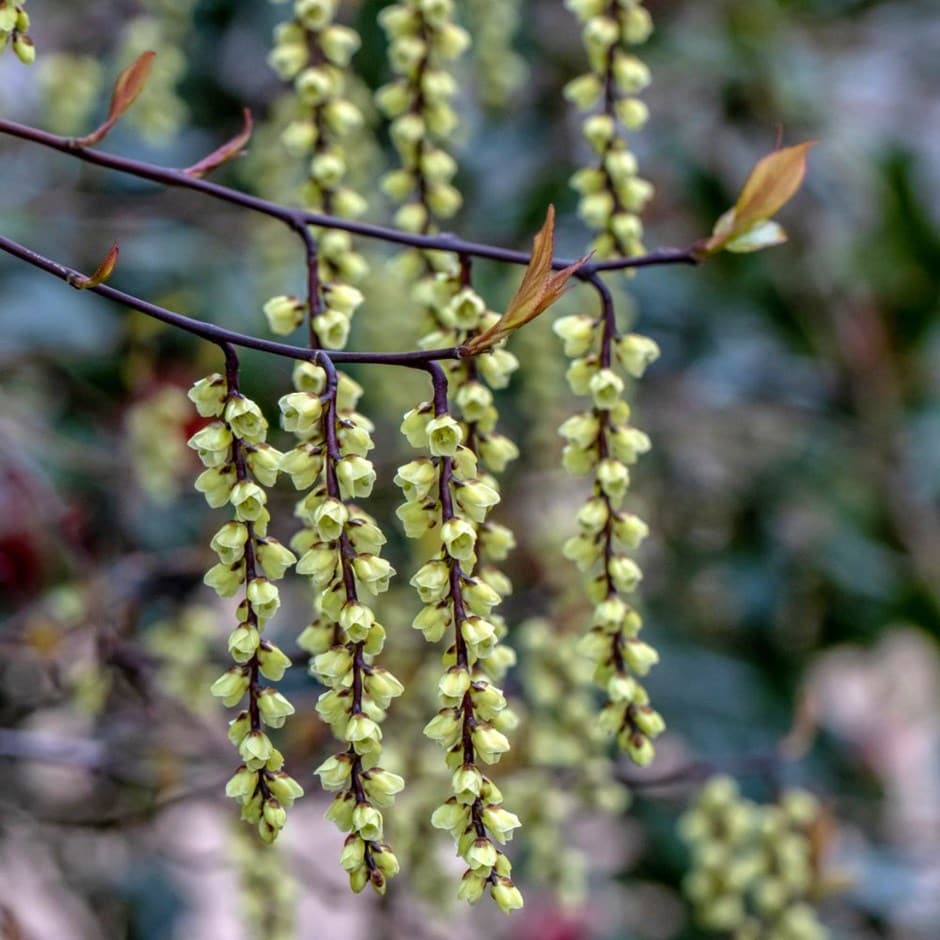
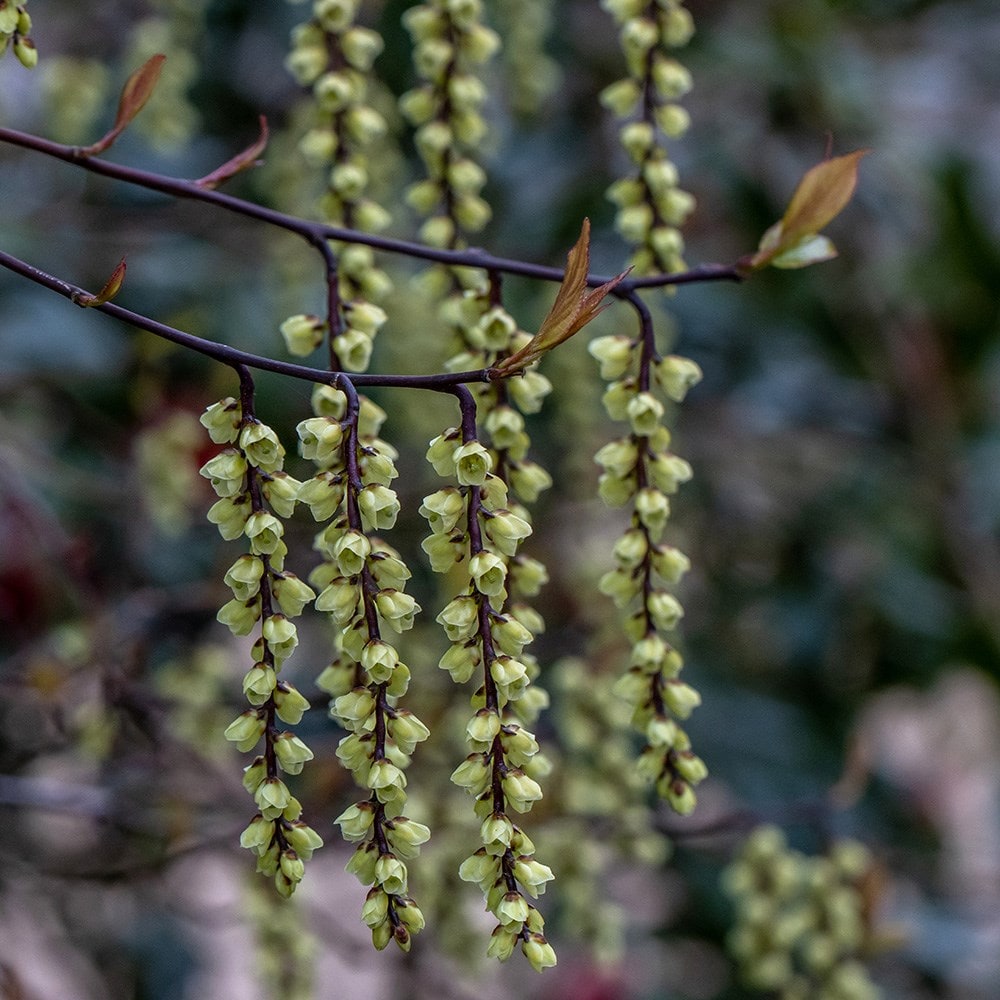
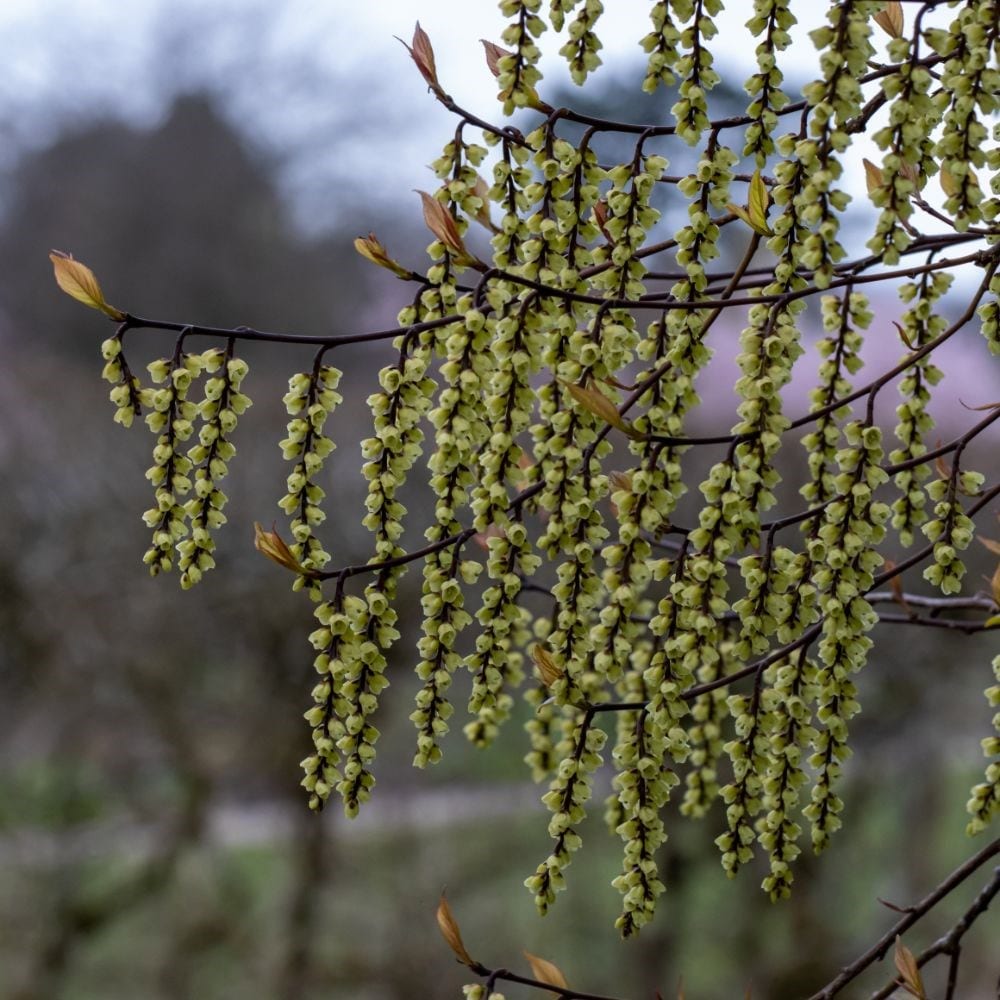
This deciduous shrub puts on a gorgeous display in late winter and early spring, when the pendent, tassel-like racemes of small, bell-shaped flowers appear along the length of the bare, arching stems.
Stachyurus chinensis 'Celina' makes a handsome addition to the woodland garden or mixed border, and in smaller gardens, its stems can be tied onto a support against a wall.
Stachyurus chinensis 'Celina' makes a handsome addition to the woodland garden or mixed border, and in smaller gardens, its stems can be tied onto a support against a wall.
Plant in a sheltered, sunny or partially shaded spot with fertile, well-drained soil enriched with organic matter. Space it with enough room to accommodate its graceful, arching habit, usually around 2-3?m from other plants. Water regularly during the first couple of seasons to help it establish, particularly in dry spells, but once settled it tolerates short periods of drought.
Mulch around the base in spring feed the soil, retain moisture, and keep weeds down. Feed lightly in spring with a balanced fertiliser to encourage healthy foliage and flowering.
After flowering, which occurs in early spring before the leaves emerge, inspect for any crossing, weak, or damaged branches and prune selectively to maintain shape and airflow. Light shaping can also be done in summer if needed, but heavy pruning is best avoided to preserve its natural arching habit. Older plants benefit from removing a few of the oldest stems at ground level in late winter or early spring to encourage new growth and rejuvenate the shrub.
Mulch around the base in spring feed the soil, retain moisture, and keep weeds down. Feed lightly in spring with a balanced fertiliser to encourage healthy foliage and flowering.
After flowering, which occurs in early spring before the leaves emerge, inspect for any crossing, weak, or damaged branches and prune selectively to maintain shape and airflow. Light shaping can also be done in summer if needed, but heavy pruning is best avoided to preserve its natural arching habit. Older plants benefit from removing a few of the oldest stems at ground level in late winter or early spring to encourage new growth and rejuvenate the shrub.